
Pallet Racking Services
Across Yorkshire & the Midlands
Efficient & Compliant Storage
Starts With the Right Racking
Looking for a reliable pallet racking solution that suits your space, stock and safety requirements? At Premier Storage, we specialise in the design, supply, and installation of industrial warehouse racking systems for businesses across Yorkshire, Derbyshire, Leicestershire, Lincolnshire and Nottinghamshire.
Whether you need to optimise an existing layout or start from scratch, our experienced team will create a fully tailored system that works for your operation.

Our Pallet Racking Services Include
-
Free site surveys & expert advice
-
Custom CAD layouts to optimise space and workflow
-
Supply of high-quality racking from trusted UK manufacturers
-
SEMA-approved installation teams
-
Racking safety inspections & compliance support
We work with businesses of all sizes – from small stockrooms to large-scale distribution centres – ensuring every system is safe, efficient and built to last.




Trusted Manufacturers
We only supply pallet racking systems from leading UK brands, ensuring exceptional build quality, safety compliance, and long-term reliability.


Premier Storage Projects
Our Proven Process Produces Results
Stage 1 – Free onsite Assessment
At a time convenient for you, our team of experts will conduct a detailed assessment of your location.
Stage 2 – Design and Consultancy
Our in-house design team uses the information from the onsite assessment to develop a pallet racking layout
Stage 3 – Commercial
Sign-off
Once the design is agreed upon, we provide a comprehensive technical quotation for the project, including any necessary planning permission .
Stage 4 – Delivery and Installation
We offer expert project management, supported by SEMA-qualified teams, ensuring budget adherence, and strict safety standards.
Stage 5 – After Sales
Support
We ensure your pallet racking systems remain optimal with routine inspections, and timely repairs from our SEMA Approved Rack Inspectors.
OUR RECENT PALLET RACKING PROJECTS


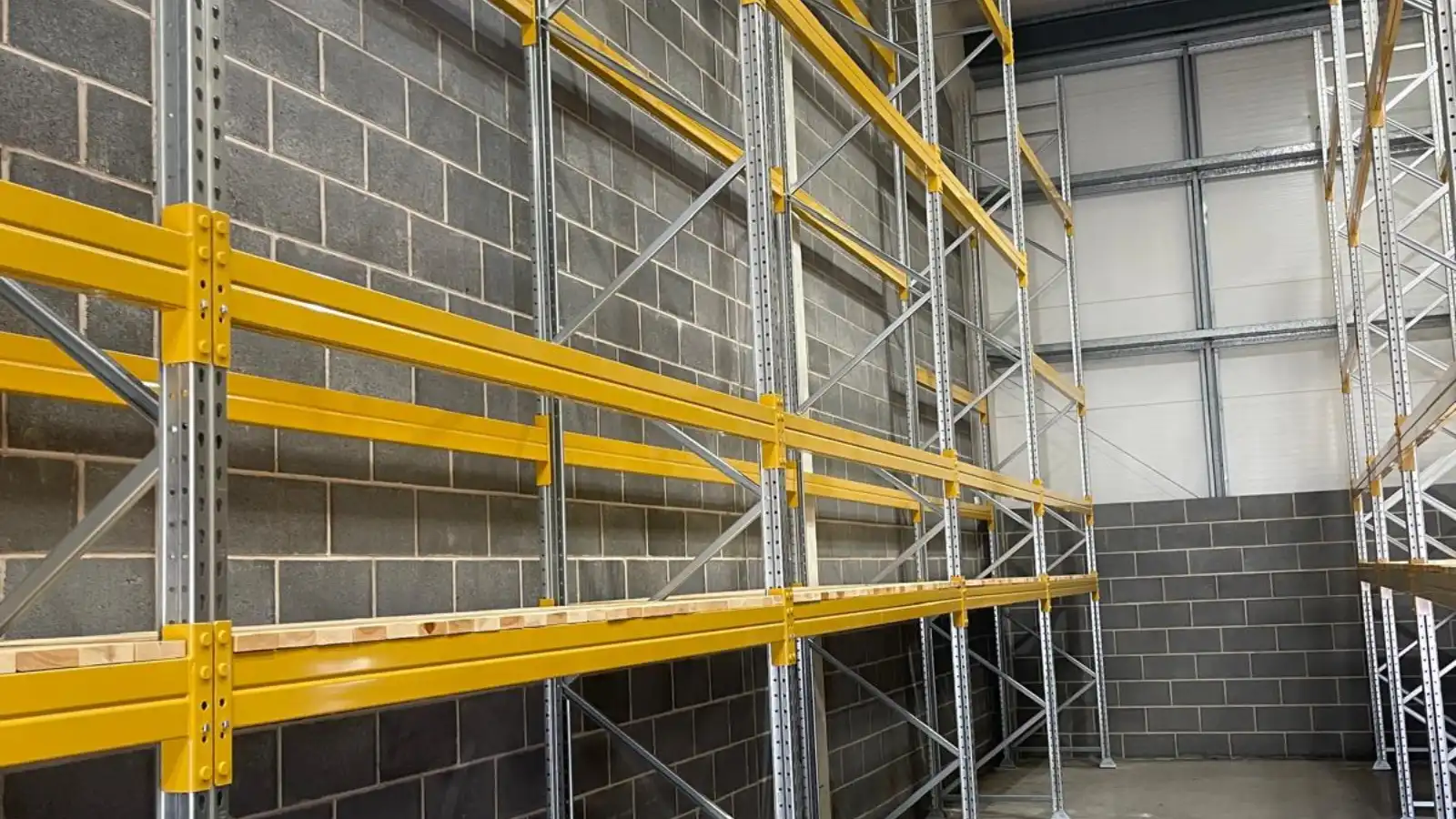
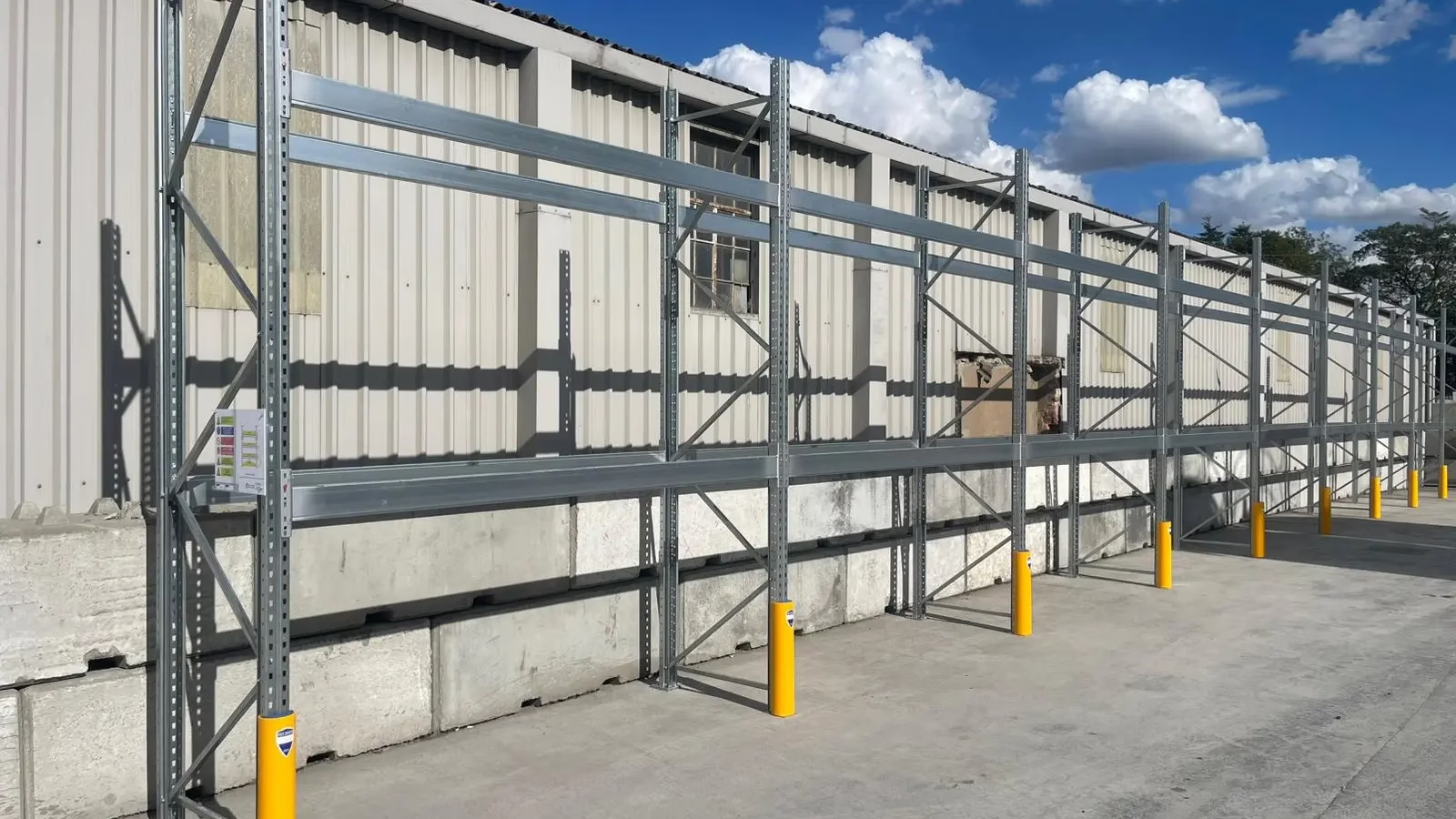


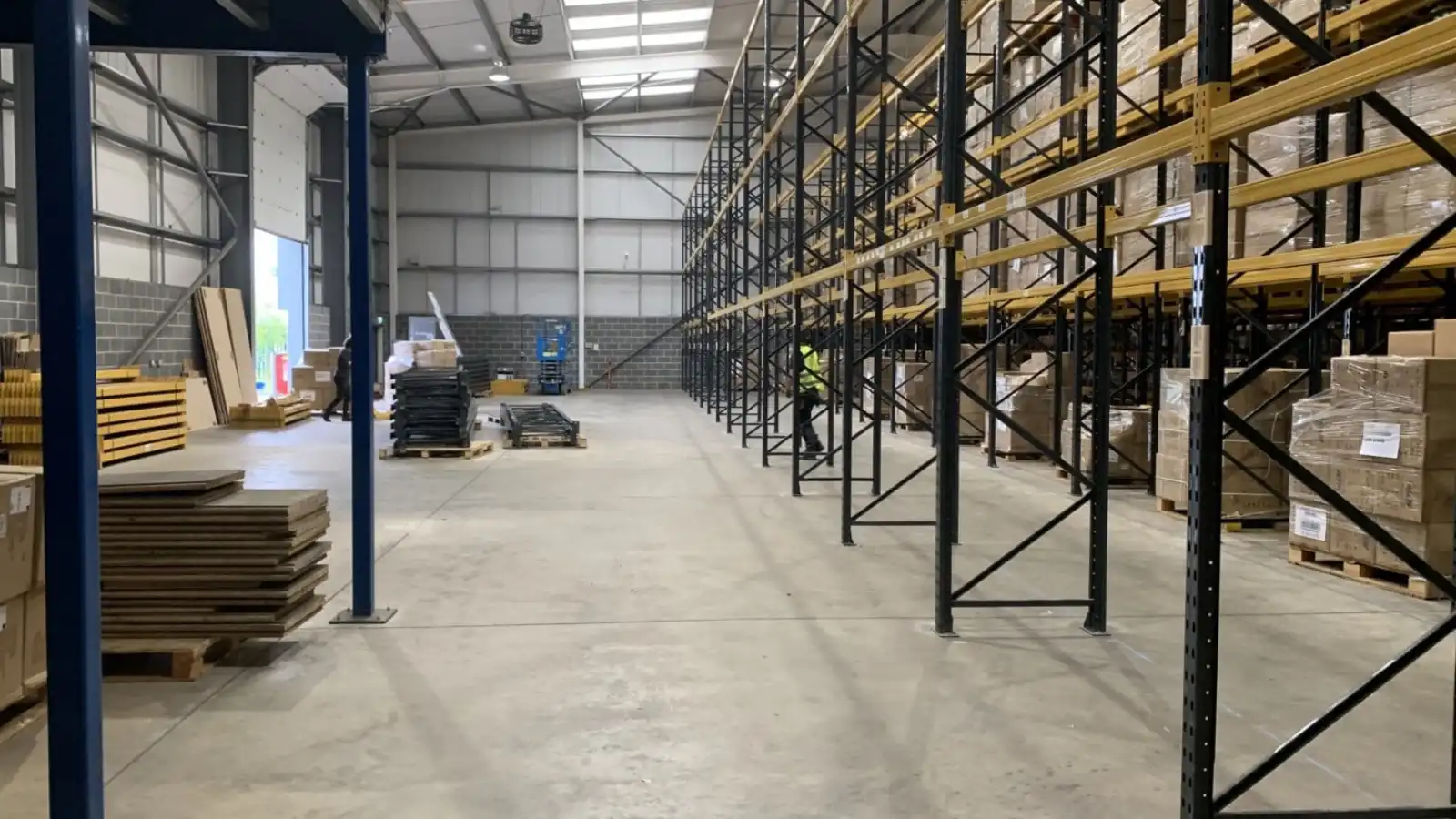

Clients We Work With


What’s the difference between pallet racking and shelving?
When comparing racking vs shelving systems, the main differences come down to load capacity, access method, and how items are handled within a warehouse or storage environment. While both systems support organised storage, they serve very different operational needs.
Pallet racking systems
Pallet racking systems store large, heavy loads that sit on pallets. Warehouses typically use forklifts or reach trucks to load and retrieve goods, which makes pallet racking ideal for high-volume, bulk storage.
A typical pallet racking system uses upright frames and horizontal beams to create strong storage bays. Depending on the application, these bays may remain open or include timber or mesh decking. Businesses often choose pallet racking for fast-moving palletised stock, distribution centres, manufacturing sites, and large warehouses.
In a racking vs shelving systems comparison, pallet racking suits operations that prioritise load capacity, vertical storage, and mechanical handling.
Shelving systems
Shelving systems support lighter items that staff pick and place by hand. These systems usually feature solid shelves and suit smaller goods such as archive boxes, tools, components, files, or retail stock.
Warehouses and workplaces often install shelving in workshops, storerooms, back-of-house areas, and offices. Shelving allows quick visual access and easy organisation of smaller items without the need for lifting equipment.
When considering pallet racking compared to shelving, shelving works best where flexibility, accessibility, and manual picking matter more than load weight.
Choosing between racking and shelving
The choice between pallet racking or shelving depends on how you store and handle goods. If your operation manages heavy pallet loads and uses forklifts, pallet racking offers the safest and most efficient solution. If your team handles smaller items manually, shelving provides better access and organisation.
Understanding the racking and shelving difference helps businesses select the right system for safety, efficiency, and long-term performance.
In short, pallet racking supports heavy, palletised storage, while shelving organises lighter, hand-picked items. Choosing the correct system ensures your storage works with your operation, not against it.
Learn more about our racking services here.
Health and Safety Executive (HSE) – Warehousing and storage guidance
How do I organise my warehouse with pallet racking systems?
To organise a warehouse with pallet racking, businesses need a clear layout plan that balances storage capacity, accessibility, and safety. A well-organised pallet racking system improves picking efficiency, maximises available space, and supports smooth day-to-day operations.
By combining smart layout planning with the right racking types, warehouses can operate more efficiently without unnecessary congestion or wasted space.
Plan your warehouse racking layout
Effective warehouse racking layout planning starts with understanding your space. Map out floor area, ceiling height, and the size and weight of your inventory.
When planning your layout:
- Make full use of vertical height
- Allow clear access for forklifts and handling equipment
- Avoid narrow aisles that restrict movement
This approach forms the foundation of efficient pallet racking systems.
Choose the right pallet racking system for your warehouse
Selecting the correct racking type plays a key role in pallet racking warehouse organisation. Different systems suit different stock profiles.
Common options include:
- Adjustable pallet racking for direct access to a wide range of products
- Drive-in racking for high-density storage of similar items
- Push-back racking for storing multiple pallets with easy retrieval
Matching racking systems to inventory helps avoid wasted space and improves workflow.
Organise warehouse stock using pallet racking
To further organise your warehouse with pallet racking, group similar products together. Fast-moving items should sit in easily accessible locations, while slower-moving or bulk stock can be stored further back or higher up.
This method reduces travel time and supports faster picking.
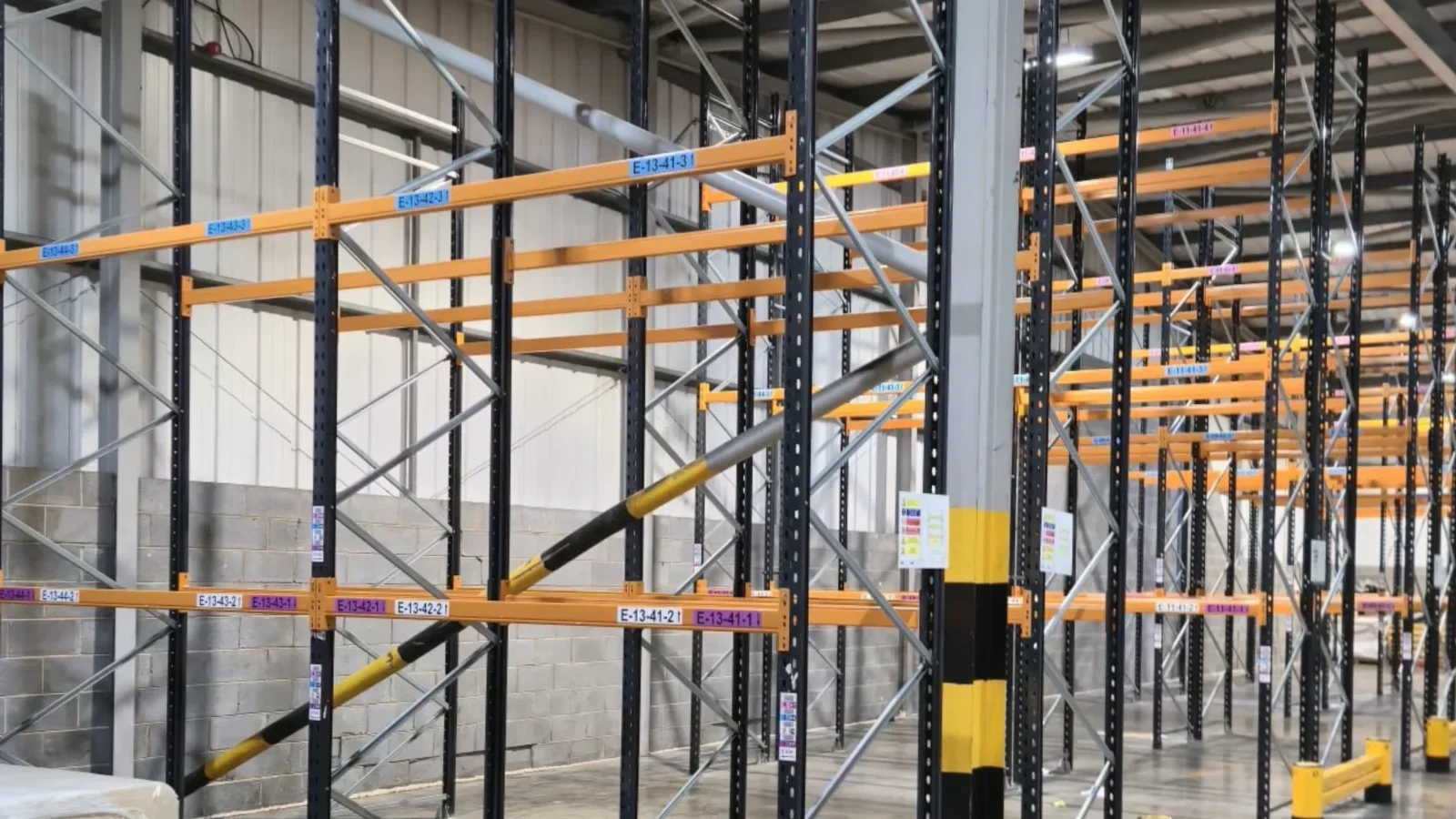
Use clear labelling and signage
Clear labelling is essential for pallet racking organisation tips to work effectively. Label aisles, rack bays, and levels so staff can locate products quickly.
Barcode or RFID systems can also support accuracy and reduce picking errors.
Optimise picking paths in pallet racking layouts
Efficient pallet racking systems rely on logical picking routes. Arrange racks to minimise travel distance and avoid unnecessary backtracking.
At the same time, maintain safe aisle widths based on your handling equipment. Adequate space helps prevent collisions and damage to racking or stock.
Apply FIFO or LIFO storage methods
Depending on stock turnover, apply either:
- FIFO (first-in, first-out) using pallet flow racking
- LIFO (last-in, first-out) using push-back racking
Choosing the right method supports stock rotation and reduces waste.
Review and adjust regularly
Warehouse organisation is not static. As inventory changes, review your pallet racking layout and adjust where needed to maintain efficiency.
Good practice aligns with guidance from the Health and Safety Executive (HSE), which highlights the importance of safe access, load control, and ongoing review of storage systems.
By following these steps, businesses can organise a warehouse with pallet racking systems that improve efficiency, reduce costs, and support safer working environments.
To learn more about organising your warehouse contact our team here.
How do I choose the best pallet racking system for my warehouse?
To choose a pallet racking system that suits your warehouse, you need to balance storage capacity, accessibility, safety, and future growth. The right pallet racking system improves workflow, maximises available space, and supports long-term operational efficiency.
Evaluate storage requirements when choosing a pallet racking system
When selecting pallet racking for a warehouse, start by reviewing the products you store. Consider pallet size, weight, and how often items need to be accessed. Heavy or bulky loads may require high-strength systems, while mixed or fast-moving stock benefits from direct access racking.
Assess warehouse space and layout
Warehouse pallet racking choice depends heavily on space constraints. Ceiling height, floor area, and aisle widths all influence which system works best. Adjustable pallet racking suits tall warehouses, while high-density options reduce aisle space in smaller facilities.
Choose the right pallet racking system type
Different pallet racking systems support different operational needs:
- Adjustable pallet racking for direct access to every pallet
- Drive-in racking for high-density storage of uniform products
- Push-back racking for compact storage with quicker retrieval
Selecting the right pallet racking system avoids wasted space and improves handling efficiency.
Consider access and stock rotation
If you need frequent access to a wide range of products, adjustable racking offers the most flexibility. For bulk storage with fewer stock lines, high-density systems may work better. Inventory flow also matters: FIFO systems suit pallet flow racking, while LIFO operations align with push-back racking.
Check load capacity and safety
Every pallet racking system must safely support your loads. Always confirm beam and frame load ratings and ensure correct installation. Safe loading protects staff, stock, and long-term system integrity.
Plan for future growth
A pallet racking system selection should allow for change. Modular systems let warehouses expand, reconfigure layouts, or adjust beam levels as storage needs evolve.
Budget considerations when selecting a pallet racking system
While cost matters, focus on long-term performance. A well-chosen pallet racking system reduces maintenance issues, improves efficiency, and delivers better value over time.
Compliance and installation standards for pallet racking systems
Choosing the right pallet racking system for warehouses also means meeting safety standards. Systems should comply with UK health and safety guidance and be installed by competent professionals.
By following this pallet racking selection guide, businesses can choose a system that supports safe operations, efficient storage, and future growth.
To discuss the best pallet racking system for your warehouse, contact our team.
What are the different types of pallet racking systems available?
Understanding warehouse pallet racking options is essential for storing, accessing, and managing palletised goods efficiently. The different pallet racking systems available suit specific storage volumes, access requirements, and stock rotation methods, helping businesses maximise space while maintaining safe operations.
Below is an overview of the most common pallet racking systems used in warehouses and industrial environments.
Selective pallet racking systems
Selective racking is the most widely used option in warehouse pallet racking systems. It provides direct access to every pallet, which makes it ideal for operations handling a wide product range.
This system uses upright frames and horizontal beams, allowing forklifts to access stock quickly. As a result, selective racking supports FIFO stock rotation and flexible layouts.
Drive-in and drive-through warehouse racking systems
Drive-in and drive-through designs focus on high-density storage by reducing the number of aisles.
- Drive-in racking supports LIFO storage and suits large volumes of identical products.
- Drive-through racking allows access from both ends, which supports FIFO stock rotation and works well for perishable goods.
These pallet racking system designs maximise storage capacity where selectivity is less critical.
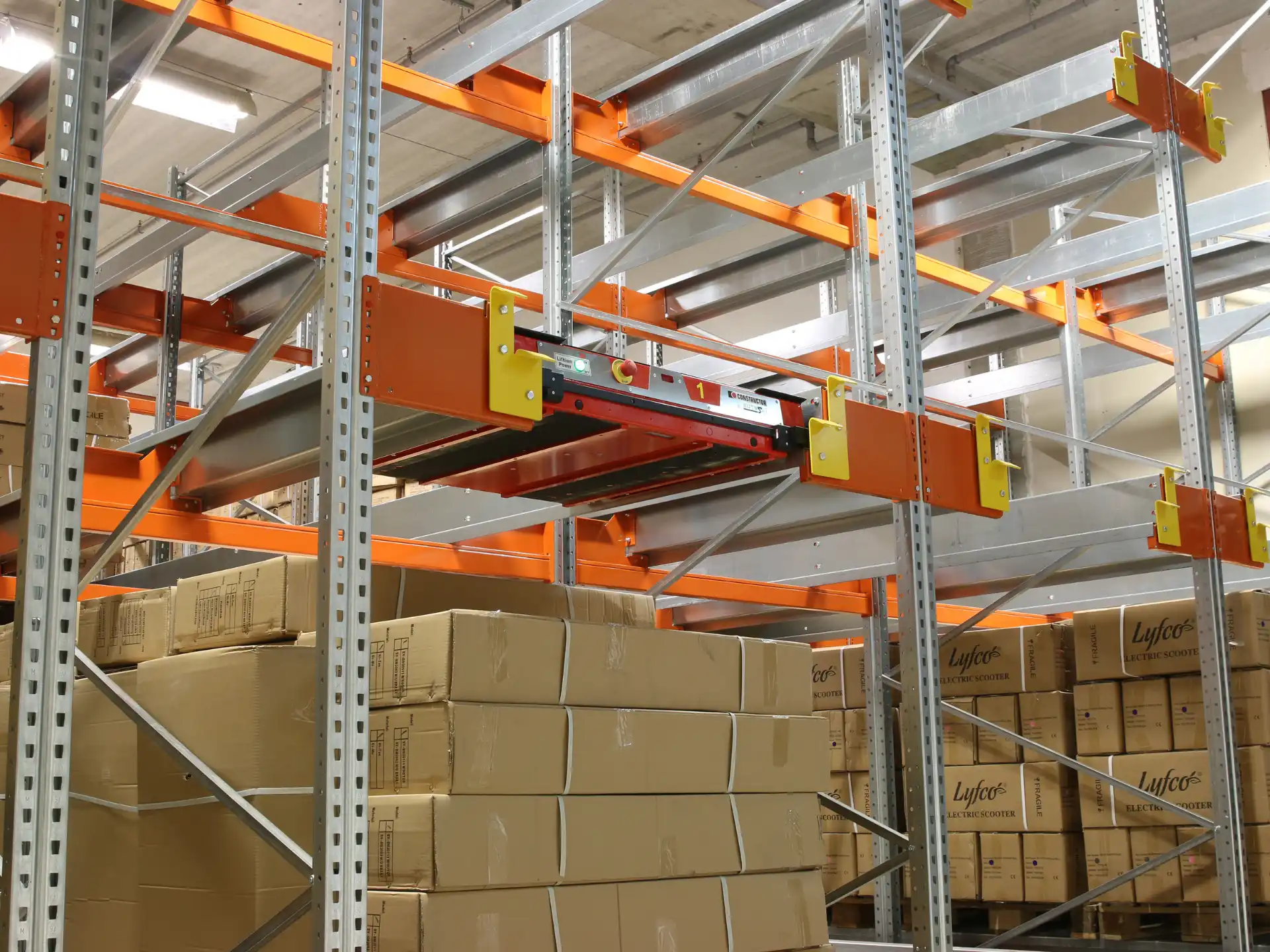
Push-back pallet racking options for warehouses
Push-back racking uses carts on inclined rails to store pallets several positions deep. When loading, each pallet pushes the previous one back. When unloading, pallets roll forward automatically.
This type of industrial pallet racking system increases density while keeping access simple from a single aisle. It suits LIFO storage and fast-moving stock.
Pallet flow (gravity) racking systems
Pallet flow racking relies on gravity rollers to move pallets from the loading end to the picking face. This design ensures consistent FIFO stock rotation.
Warehouses storing date-sensitive goods often use this pallet racking option to reduce handling time and improve picking efficiency.
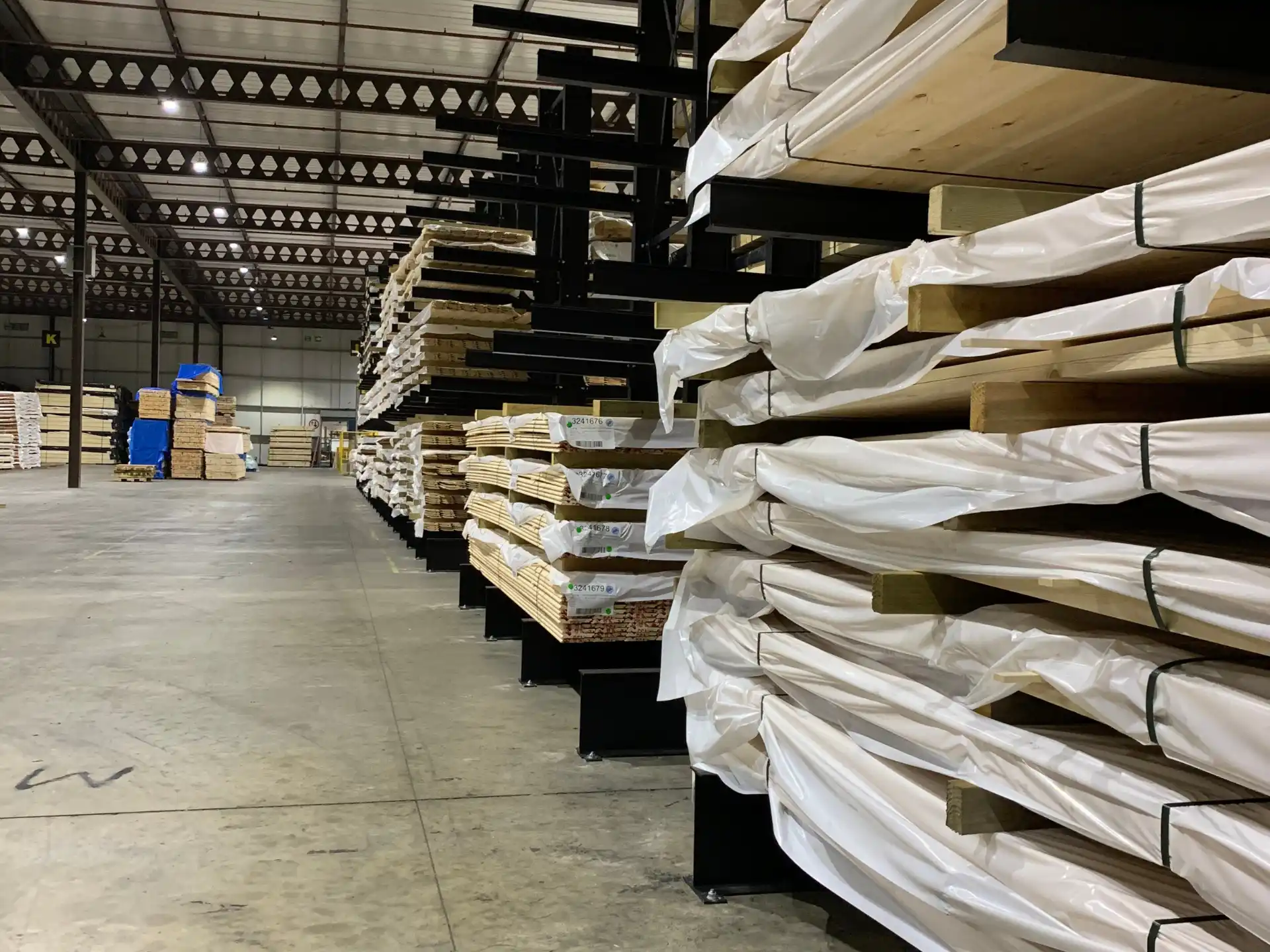
Cantilever warehouse pallet racking solutions
Cantilever racking suits long or bulky items such as timber, pipes, or furniture. Instead of front uprights, it uses horizontal arms extending from vertical columns.
This open-front design allows easy loading and unloading, making it one of the most flexible pallet racking systems available for non-standard loads.
Double-deep pallet racking
Double-deep systems store pallets two positions deep, increasing density compared to selective racking. However, they require specialist forklifts with extended reach.
This warehouse pallet racking system works best where stock variety is limited and LIFO storage is acceptable.
Mobile industrial pallet racking systems
Mobile racking mounts racks on powered bases that move along floor tracks. Operators open aisles only when needed, which significantly increases storage density.
These pallet racking systems suit environments where space is limited or where high-value stock requires secure storage.
Choosing the right pallet racking system
Each of these common pallet racking systems offers distinct benefits. The best choice depends on product type, access frequency, warehouse layout, and future growth plans.
For guidance on safe installation and use, businesses should follow advice published by the Health and Safety Executive (HSE).
For more information on our pallet racking services contact our team here.
What is pallet racking?
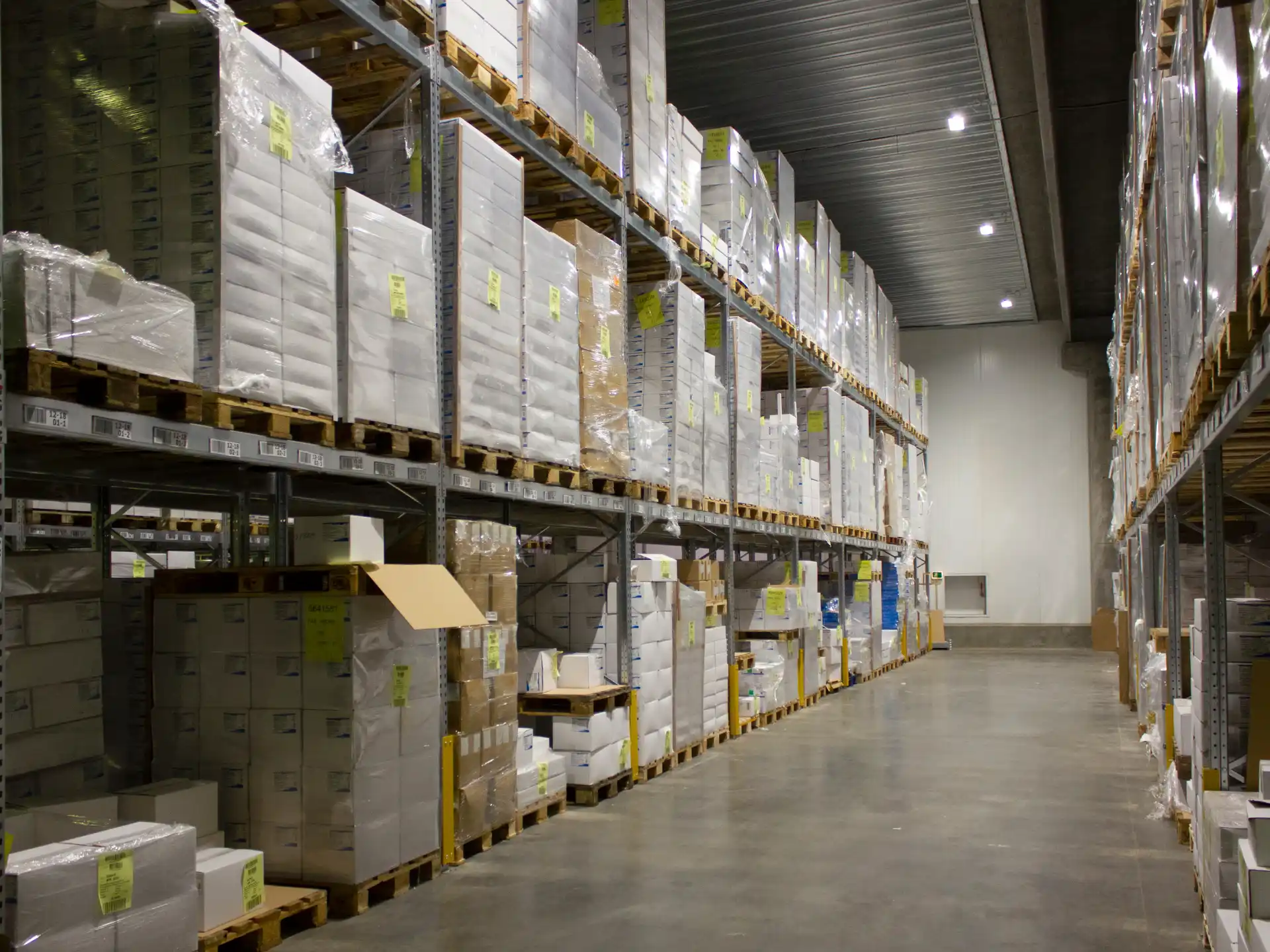
Pallet racking is a warehouse storage system used to store palletised goods safely and efficiently by making use of vertical space. Rather than stacking pallets directly on the floor, racking creates structured storage levels that allow forklifts to place and retrieve stock with ease. This approach increases storage capacity while keeping goods organised and accessible.
Understanding what pallet racking is helps businesses improve space utilisation, stock control, and overall warehouse efficiency.
How pallet racking works in a warehouse
A typical system uses two main components: upright frames and horizontal beams. The uprights form the vertical structure, while beams connect between them to create storage levels. Forklifts then place pallets onto the beams, allowing goods to sit securely at height.
Because the system is modular, beam levels can be adjusted to suit different pallet sizes. As a result, racking systems adapt easily to changing stock profiles and operational needs.
Why warehouses use pallet racking systems
Using a structured racking system improves both storage density and workflow. By lifting goods off the floor, warehouses free up valuable space and keep aisles clear for handling equipment. Clearly defined storage locations also support faster picking and better inventory control.
Key benefits include:
- Better use of vertical warehouse space
- Safer storage of heavy palletised goods
- Faster loading and retrieval with forklifts
- Improved stock visibility and organisation
Different pallet racking configurations
Although the core structure remains the same, systems can be configured in different ways depending on access requirements and stock rotation. For example, selective racking provides direct access to every pallet, while high-density options such as drive-in or push-back racking increase capacity where space is limited.
Choosing the right configuration depends on product type, handling equipment, and how often stock needs to be accessed.
Safety and compliance considerations
Racking systems must be installed correctly, loaded within their rated capacity, and inspected regularly. Guidance from the Health and Safety Executive highlights the importance of correct design, clear load notices, and routine inspections to reduce the risk of accidents.
If you are planning a new installation or reviewing an existing system, professional advice can help ensure your racking works efficiently and safely for your operation. For more information, contact our team.
Get in Touch
Learn more about our services and get a competitive quote from our team today.