
Industrial Shelving
Comprehensive
Industrial Shelving Solutions
At Premier Storage, we provide tailored industrial shelving systems built around your operational needs. With over 25 years of experience, we understand the complexities of inventory storage in fast-paced warehouse environments. Whether you’re looking to maximise floor space, improve accessibility, or increase workflow efficiency, our team is here to help.
We specialise in delivering robust, scalable shelving systems for warehouses, manufacturers, retail backrooms, catering operations, archives, and more. Every system is designed to suit your layout, products, and budget. Book your free, no-obligation site visit today to explore the right solution for your business.
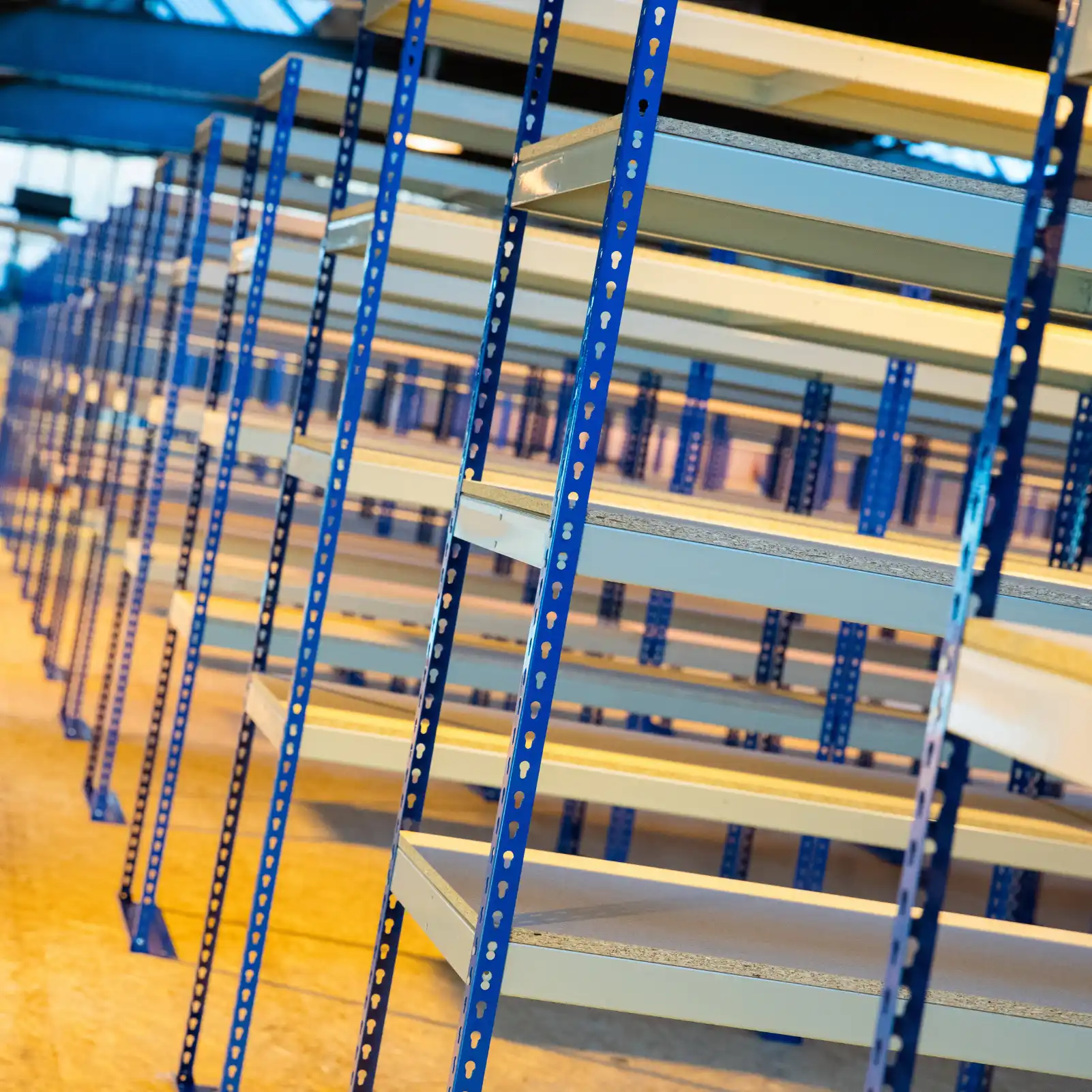

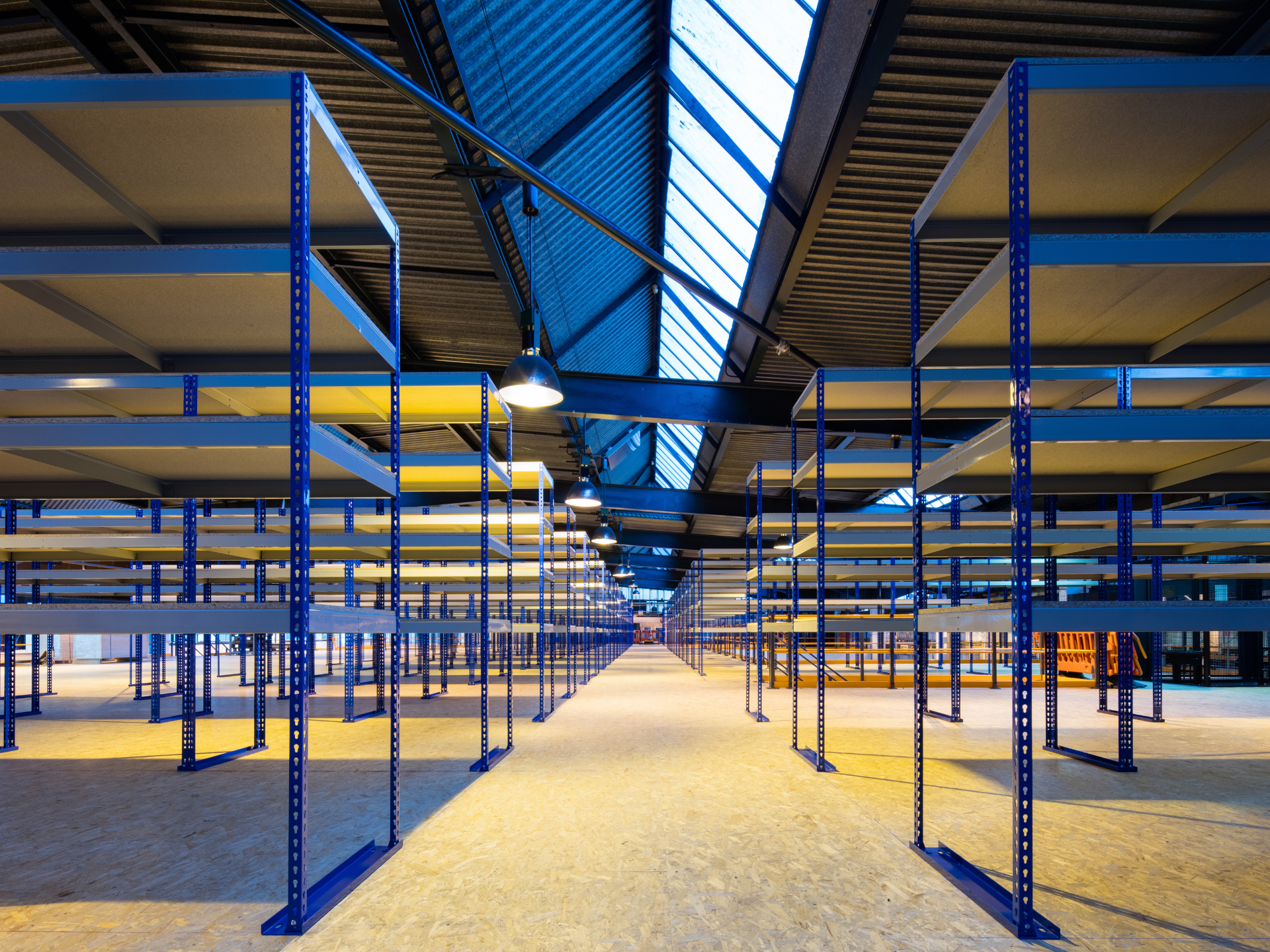
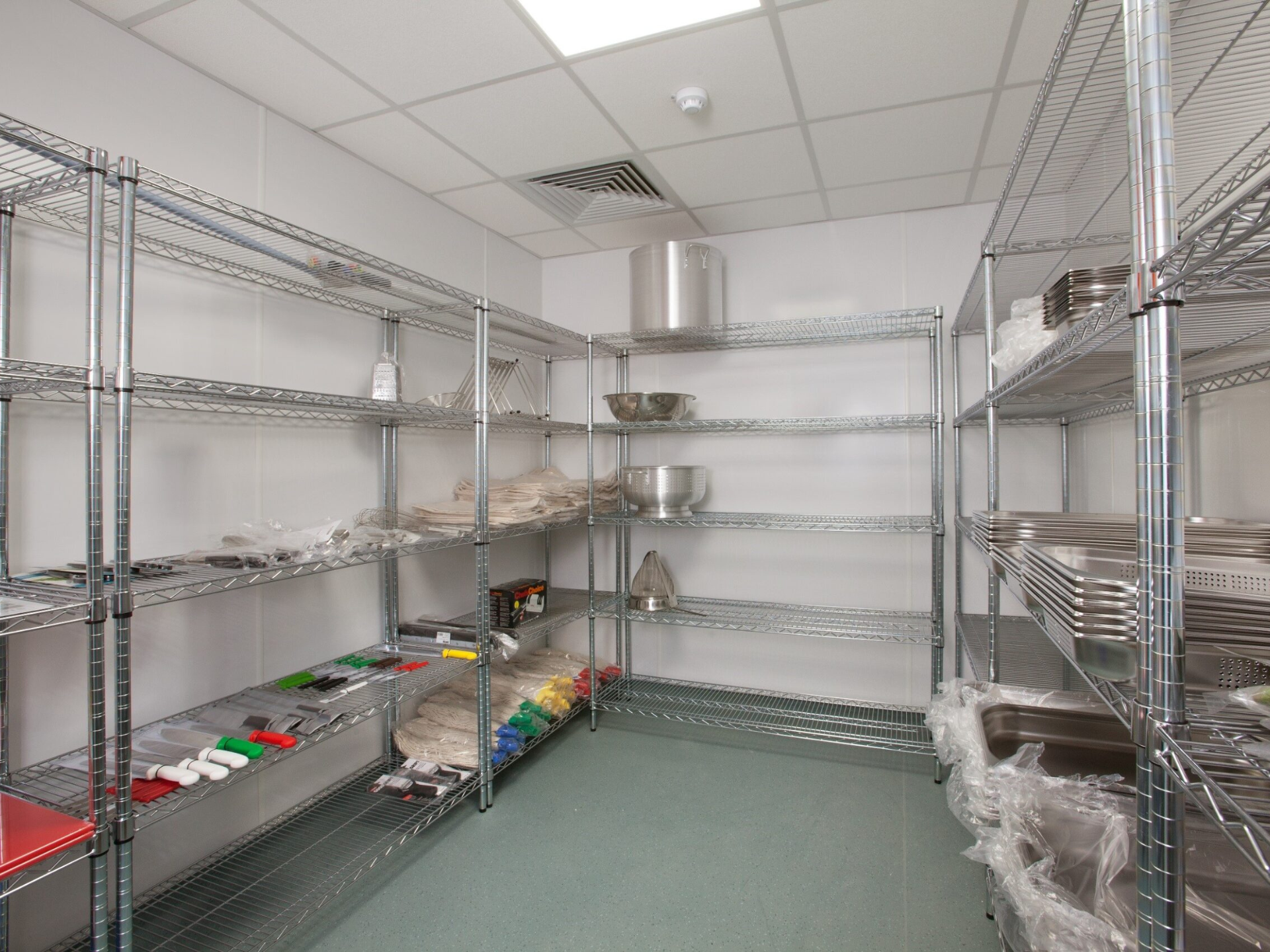


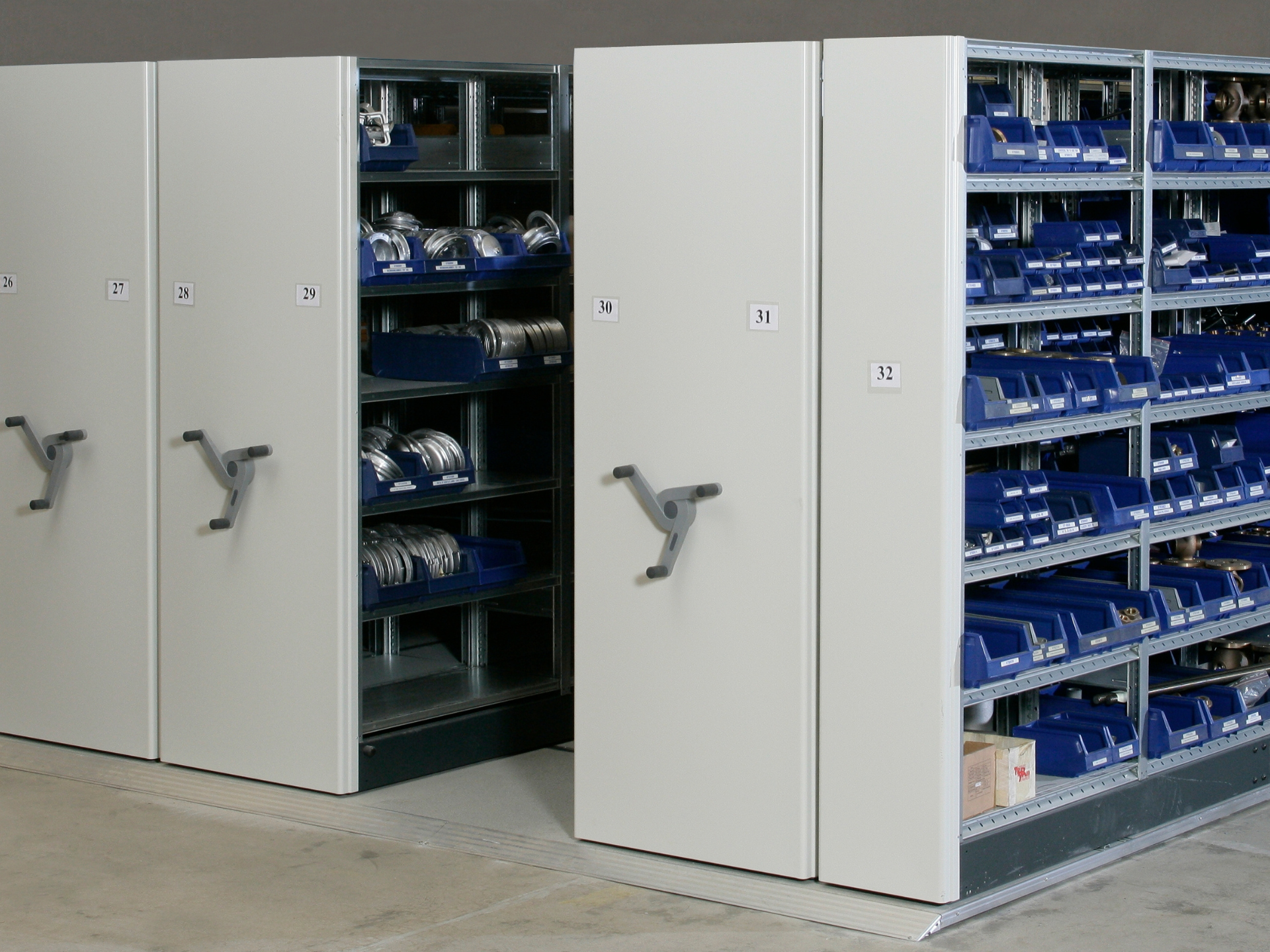
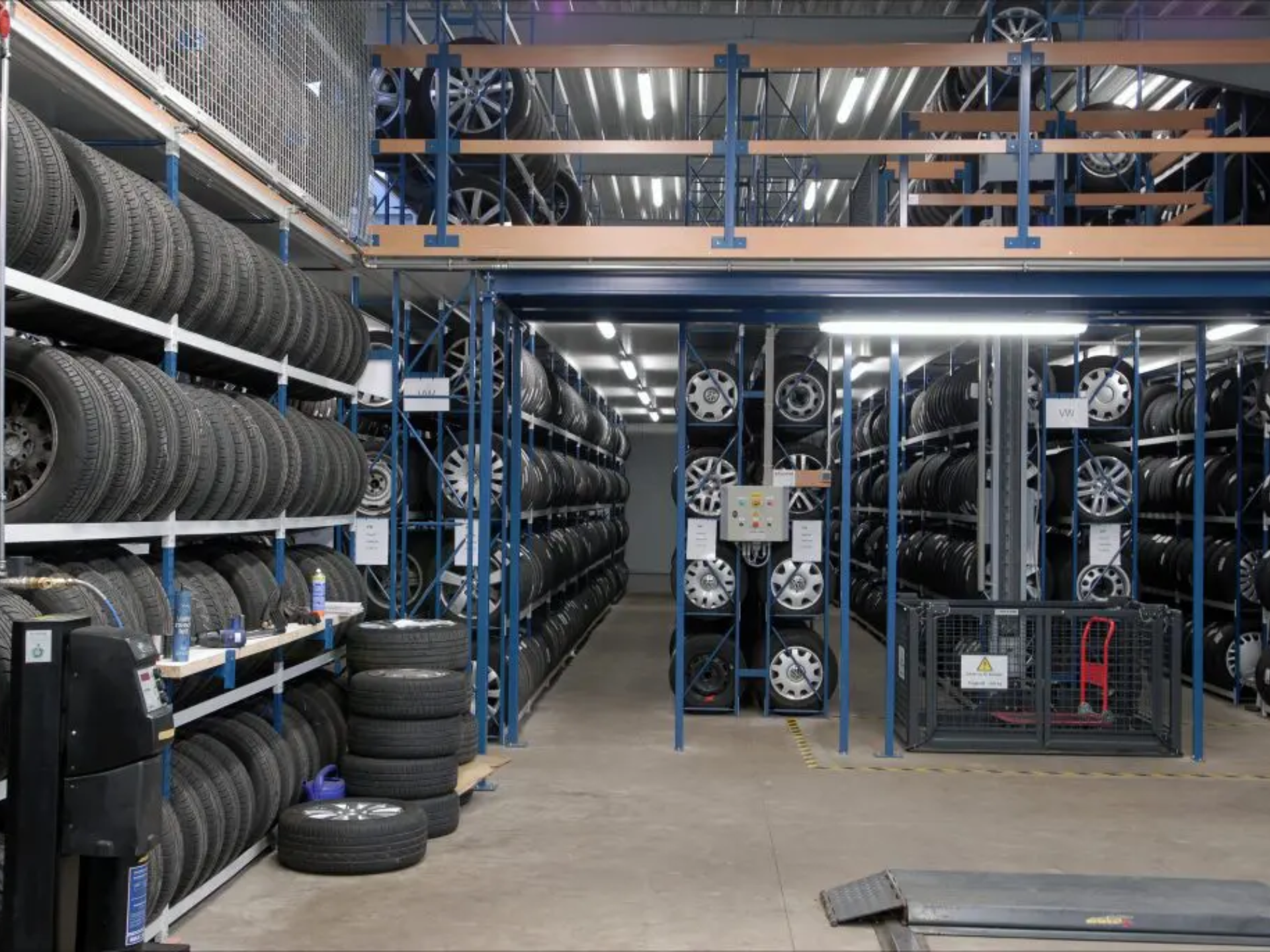
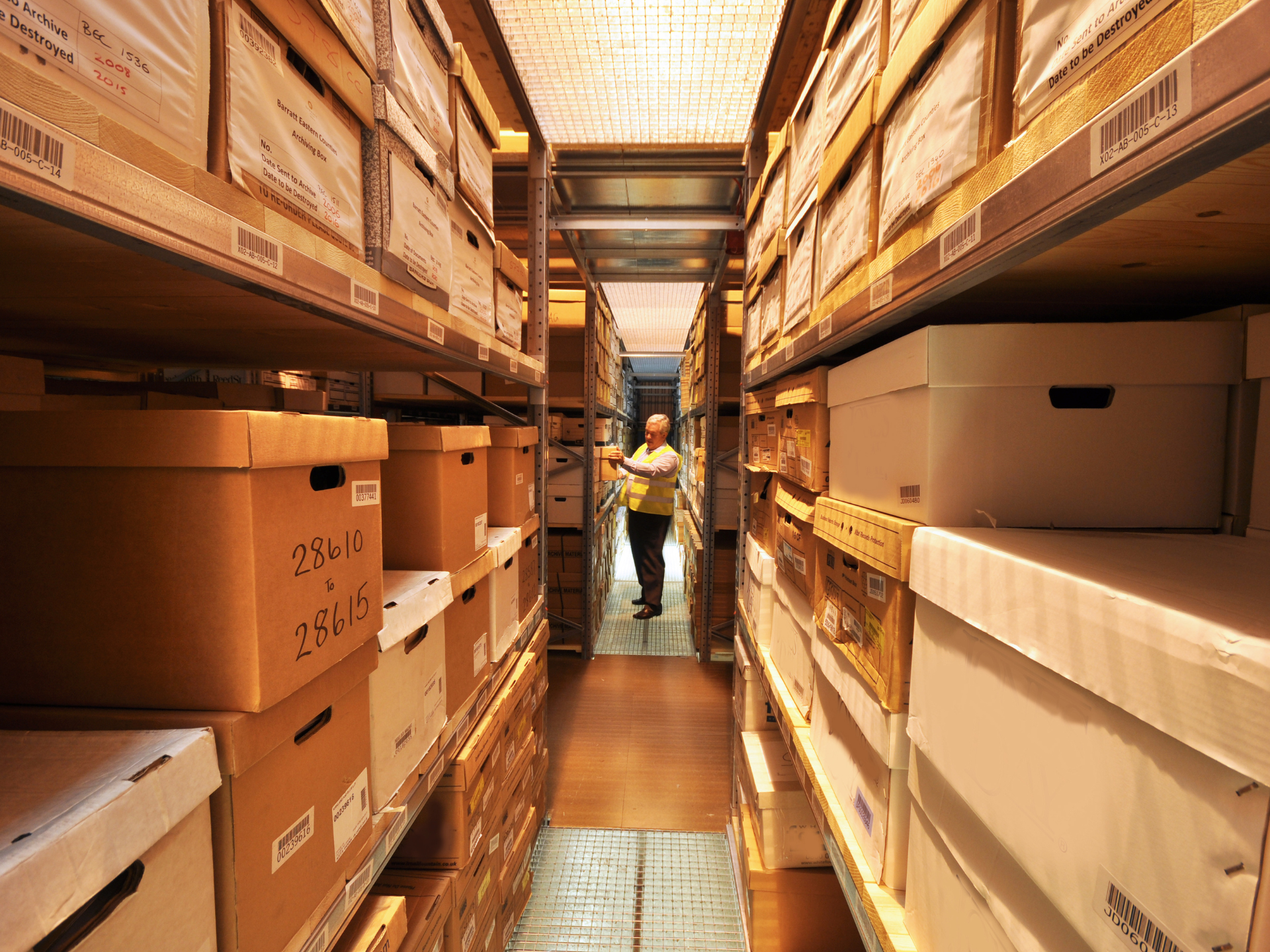
Premier Storage Projects
Our Proven Process Produces Results
Stage 1 – Free onsite Assessment
At a time convenient for you, our team of experts will conduct a detailed assessment of your location.
Stage 2 – Design and Consultancy
Our in-house design team uses the information from the onsite assessment to develop a shelving layout.
Stage 3 – Commercial
Sign-off
Once the design is agreed upon, we provide a comprehensive technical quotation for the project, including any necessary planning permission .
Stage 4 – Delivery and Installation
We offer expert project management, supported by SEMA-qualified teams, ensuring budget adherence, and strict safety standards.
Stage 5 – After Sales
Support
We ensures your shelving systems remain optimal with routine inspections, timely repairs from our SEMA Approved Rack Inspectors.
Industrial Shelving Manufacturers
We are proud to be authorised distributors for leading shelving manufacturers, including Dexion, Stacarac, Anco Storage, Link 51, SSP, and AR Racking. These trusted brands are renowned for their high-quality, durable storage solutions, ensuring that we can offer our clients the very best in industrial and commercial shelving. Whether you’re looking for innovative designs or robust, reliable systems, our partnerships enable us to provide a wide range of products tailored to meet your specific storage needs.
How can I maximise space in a warehouse using shelving?
To maximise warehouse space with shelving, businesses need to make better use of both vertical height and available floor area. The right shelving strategy improves storage capacity, keeps aisles clear, and supports safer, more efficient warehouse operations.
By combining smart layout planning with adaptable shelving systems, warehouses can significantly increase usable space without expanding their building.
Use vertical height with warehouse shelving systems
One of the most effective ways to maximise space in a warehouse using shelving is to take full advantage of ceiling height. Tall shelving units allow stock to be stored upwards rather than outwards, which frees up valuable floor space.
When planning vertical storage, it’s important to:
- Match shelf height to product size and weight
- Ensure safe access using steps, platforms, or picking equipment
- Keep heavier items stored at lower levels
This approach forms the foundation of warehouse shelving space optimisation.
Add mezzanine shelving to maximise warehouse space
Where height allows, adding a mezzanine floor with shelving on both levels can effectively double storage capacity. This solution increases usable space without extending the warehouse footprint.
Mezzanine shelving works particularly well for:
- Archive storage
- Small parts storage
- E-commerce picking areas
As part of a wider warehouse storage optimisation plan, mezzanines offer long-term flexibility.
Increase density with mobile shelving
Space saving warehouse shelving systems, such as mobile shelving, remove the need for fixed aisles. Units move along tracks, creating access only where required.
As a result, mobile shelving:
- Increases storage density
- Reduces wasted aisle space
- Works well in high-value or limited-space environments
This makes it one of the most efficient warehouse shelving systems available.
Optimise layouts using longspan shelving systems
Longspan shelving allows shelves to be adjusted easily as stock changes. By tailoring shelf heights and widths, warehouses avoid wasted vertical gaps between levels.
This flexibility supports shelving solutions for warehouse space where inventory varies in size or turnover.
Organise stock to improve warehouse space efficiency
Finally, organising products by turnover rate improves both space usage and picking efficiency. Fast-moving items should sit in the most accessible locations, while slower-moving stock can be stored higher or further back.
When combined, these shelving strategies create a safer, smarter, and more space-efficient warehouse layout.
These shelving approaches also support good warehouse practice in line with guidance from the Health and Safety Executive (HSE) on safe storage and access systems.
What maintenance is required for industrial warehouse shelving?
Industrial warehouse shelving maintenance plays a vital role in keeping storage systems safe, compliant, and efficient. Regular maintenance helps prevent accidents, protects stock, and extends the working life of shelving systems used in busy warehouse environments.
By following a structured maintenance routine, businesses can identify issues early and reduce the risk of disruption or costly repairs.
Visual inspections for warehouse shelving maintenance
Routine visual checks form the foundation of effective warehouse shelving inspection and maintenance. Teams should carry out daily or weekly inspections to spot early signs of damage.
During inspections, look for:
- Bent or damaged shelves and uprights
- Loose or missing bolts and fixings
- Signs of corrosion or rust
- Shelves that appear misaligned or overloaded
These industrial shelving maintenance checks help ensure problems are addressed before they escalate.
Tightening bolts and connections
Vibration from forklifts, loading activity, and general warehouse movement can loosen fixings over time. As part of routine warehouse shelving maintenance, staff should regularly check and tighten bolts and connections.
Keeping fixings secure maintains structural stability and reduces the risk of collapse or movement under load.
Cleaning and corrosion control for warehouse shelving
Maintaining warehouse shelving systems also involves keeping them clean and free from debris. Dust, spillages, and moisture can lead to corrosion, especially in environments with higher humidity or temperature variation.
Regular cleaning:
- Reduces corrosion risk
- Improves visibility during inspections
- Supports a safer, tidier working environment
Load capacity checks
Warehouse shelving maintenance requirements always include monitoring load limits. Overloading shelves places stress on components and significantly increases the risk of failure.
Clearly display load ratings and ensure staff understand:
- Maximum shelf load limits
- Correct weight distribution
- The risks of stacking beyond capacity
Repairs and replacements in shelving maintenance
When inspections identify damage, prompt action is essential. Industrial shelving safety maintenance requires damaged shelves, uprights, or bracing to be repaired or replaced without delay.
Ignoring damage can weaken the entire structure and create unnecessary safety risks.
Why ongoing maintenance matters
By following a consistent industrial warehouse shelving maintenance programme, businesses can:
- Improve workplace safety
- Extend the lifespan of shelving systems
- Reduce downtime and repair costs
- Support compliance with health and safety guidance
Best practice aligns with advice from the Health and Safety Executive (HSE), which emphasises regular inspection, safe loading, and prompt repair of storage equipment.
If you are unsure whether your shelving maintenance regime is adequate, professional advice can help ensure your systems remain safe and compliant.
How should I install warehouse shelving to ensure safety and stability?
Warehouse shelving installation plays a critical role in maintaining a safe, stable, and efficient storage environment. Correct installation helps prevent collapse, protects staff, and ensures shelving performs as intended over the long term.
Below are the key steps to follow when installing shelving to maximise safety and long-term stability.
Warehouse shelving installation: preparation and setup
Choose the right location
Before installation, select a location that can support both the shelving system and its intended load. The floor should be level, structurally sound, and capable of bearing the weight of fully stocked shelves without movement or settlement.
Anchor shelving securely
For taller units, secure anchoring is essential. Fix shelving to the floor or wall to prevent tipping or movement. This step is particularly important in high-traffic areas where forklifts or manual handling equipment operate.
Ensure correct alignment
During installation, check that all uprights remain vertical and shelves sit level. Proper alignment improves shelving stability and helps distribute loads evenly. Misaligned shelving can place unnecessary stress on components and increase the risk of failure.
Best practice for safe warehouse shelving use
Follow manufacturer guidance
Always follow the manufacturer’s instructions when installing warehouse shelving. Use the correct fixings, tools, and assembly sequence specified for the system. Manufacturer guidance forms an essential part of shelving installation best practice and helps maintain load ratings and warranties.
Distribute loads correctly
Once installed, stock shelves carefully. For example, place heavier items on lower levels to maintain a low centre of gravity. In addition, spread loads evenly across bays and shelves to support long-term safety.
Inspect shelving after installation
After installation, carry out regular checks to confirm stability. Look for loose fixings, movement, or signs of wear. Over time, ongoing inspections help maintain shelving stability and reduce the risk of accidents.
Why correct installation matters
Correct installation reduces workplace risk, improves efficiency, and extends the lifespan of the storage system. Moreover, professional installation supports compliance with safety guidance and helps ensure safe daily operation.
Health and Safety Executive guidance on warehouse storage safety
See our shelving services here.
What types of shelving are best suited for industrial warehouses?
Industrial warehouse shelving must handle heavy loads, withstand daily use, and support efficient operations. Choosing the right shelving system helps improve safety, organisation, and long-term performance in demanding warehouse environments.
Below are the most common industrial shelving systems used in warehouses, along with their key benefits.
Heavy-duty steel shelving
Heavy-duty steel shelving is one of the most popular forms of industrial warehouse shelving. Manufacturers design it for strength and durability, making it suitable for storing heavy tools, machinery parts, and bulk materials. The steel construction also resists impact damage, which is common in busy warehouse settings.
This type of heavy duty warehouse shelving suits environments where reliability and load capacity are essential.
Pallet racking systems
Pallet racking forms a core part of many warehouse shelving systems. These systems store palletised goods efficiently and allow forklift access for fast loading and unloading. Options include selective racking, drive-in racking, and push-back racking, each designed for different stock rotation and space requirements.
Pallet racking works best for warehouses handling large volumes of palletised inventory.
Cantilever shelving
Cantilever shelving supports long and bulky items such as timber, pipes, and metal bars. Its open-front design allows easy access without vertical obstructions. As a result, this form of industrial storage shelving suits warehouses that manage oversized or irregularly shaped goods.
Wire shelving
Wire shelving offers a lightweight yet durable solution within industrial warehouse shelving layouts. The open design improves air circulation and visibility, making it ideal for environments where hygiene matters. Food storage and pharmaceutical warehouses often use wire shelving because staff can clean it easily and reduce dust build-up.
Mobile shelving systems
Mobile shelving helps warehouses maximise available space. These systems mount shelves on tracks, allowing staff to move units and create access aisles only when needed. This approach increases storage density and suits high-value inventory or space-restricted warehouses.
Choosing the right industrial shelving
The best industrial warehouse shelving depends on load type, access requirements, and available space. A well-planned shelving system improves safety, efficiency, and long-term warehouse performance.
See our shelving solutions here.
Health and Safety Executive guidance on warehouse storage safety
Choosing warehouse shelving is an important decision that affects storage capacity, workflow efficiency, and workplace safety. The right shelving system helps you organise stock effectively while supporting both current operations and future growth.
Below are the key factors to consider when choosing warehouse shelving systems.
Choosing warehouse shelving based on storage needs
Start by assessing what you need to store. Consider the size, weight, and shape of your products, as well as how often staff access them. Heavy or bulky items often require robust industrial shelving systems such as heavy-duty steel shelving or pallet racking. In contrast, smaller or lightweight items may suit wire shelving or boltless shelving.
Understanding your stock profile helps narrow down the most suitable warehouse shelving solutions.
Warehouse shelving systems and available space
Your warehouse layout plays a major role when choosing warehouse shelving. Ceiling height, aisle width, and access points all influence which system will work best. For example, pallet racking maximises vertical space in high-bay warehouses. Mobile shelving systems, however, help optimise floor space in smaller warehouses by creating aisles only when needed.
Load capacity and safety requirements
When choosing warehouse shelving systems, load capacity is critical. Each shelving system must safely support the heaviest items in your inventory. Selecting shelving with insufficient load ratings can create safety risks and damage stock. Always match shelving capacity to your operational demands.
Accessibility and workflow when choosing warehouse shelving
Think about how frequently staff need to access stored items. Selective pallet racking and boltless shelving provide direct access to every item, which supports fast picking. For goods accessed less often, drive-in or push-back racking can improve storage density while maintaining efficiency.
Planning for future growth
Choosing warehouse shelving should also account for future expansion. Modular shelving systems allow you to extend, reconfigure, or relocate shelving as your business grows. This flexibility helps protect your investment over time.
Environmental conditions in the warehouse
Environmental factors such as humidity, temperature changes, or chemical exposure also influence shelving choice. For example, galvanised steel shelving resists corrosion and suits warehouses with high moisture levels or harsh conditions.
Balancing budget and long-term value
Finally, balance cost with durability. While budget matters, cheaper systems may require more maintenance or replacement. Durable warehouse storage shelving often provides better long-term value through reliability and reduced downtime.
By carefully reviewing these factors, you can choose a shelving system that supports safe, efficient, and scalable warehouse operations.
See our shelving solutions here.
Health and Safety Executive guidance on warehouse storage and safety
Clients We Work With


