
Racking Maintenance & Repairs
Keep Your Storage Systems Safe and Efficient with Premier Racking Maintenance
Regular racking maintenance is crucial for ensuring the safety, longevity, and efficiency of your storage systems. At Premier Storage Projects, we offer comprehensive racking maintenance services designed to prevent costly disruptions and protect your valuable assets. Our expert team is dedicated to keeping your racking systems in optimal condition, helping you avoid unexpected breakdowns and maintain a safe working environment.
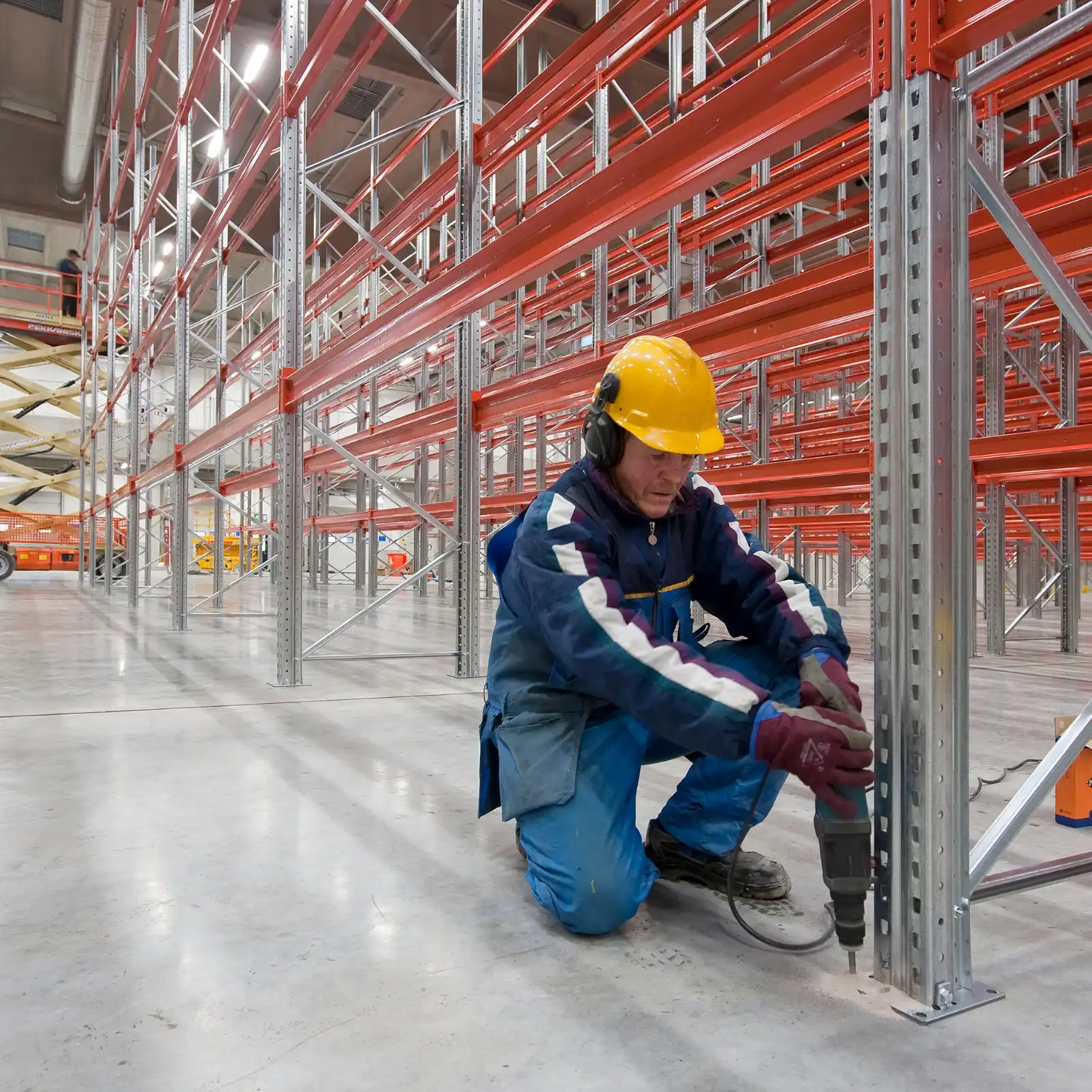
Racking Repair Call-Out
Need an urgent repair or a quote? Contact us today for a quick quote.
Certified Installation
All of our installers are SEMA-qualified, ensuring the highest standards in racking installation and repairs.
Is Regular Maintenance Important?
In busy warehouse environments, racking systems are constantly exposed to potential damage from forklift trucks and other equipment. When damage occurs, however minor it has the potential to cause major issues down the line. At Premier Storage Projects, we understand the importance of finding the most cost-effective and long-lasting repair solutions to keep your operations running smoothly.
Common Types of Damages to Racking
When Should You Repair Pallet Racking?
Racking damage is classified into three risk levels according to the SEMA code of practice: RED, AMBER, or GREEN.
These categories guide the urgency and type of maintenance or repairs needed to keep your racking system safe and operational. If your racking system has sustained damage, it’s crucial to address it according to its risk level. Need an inspection to identify any issues?
OUR RECENT PALLET RACKING PROJECTS


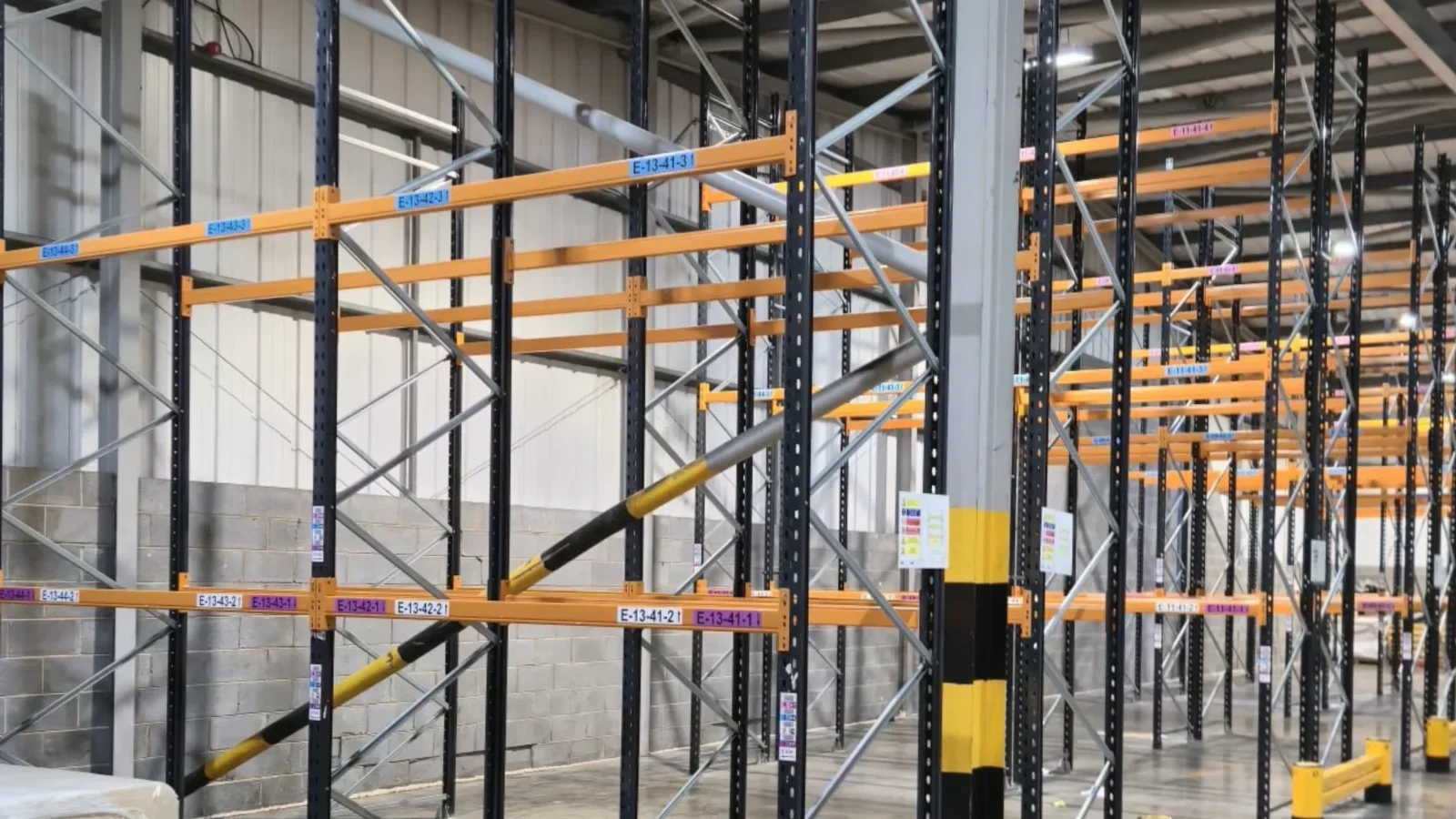
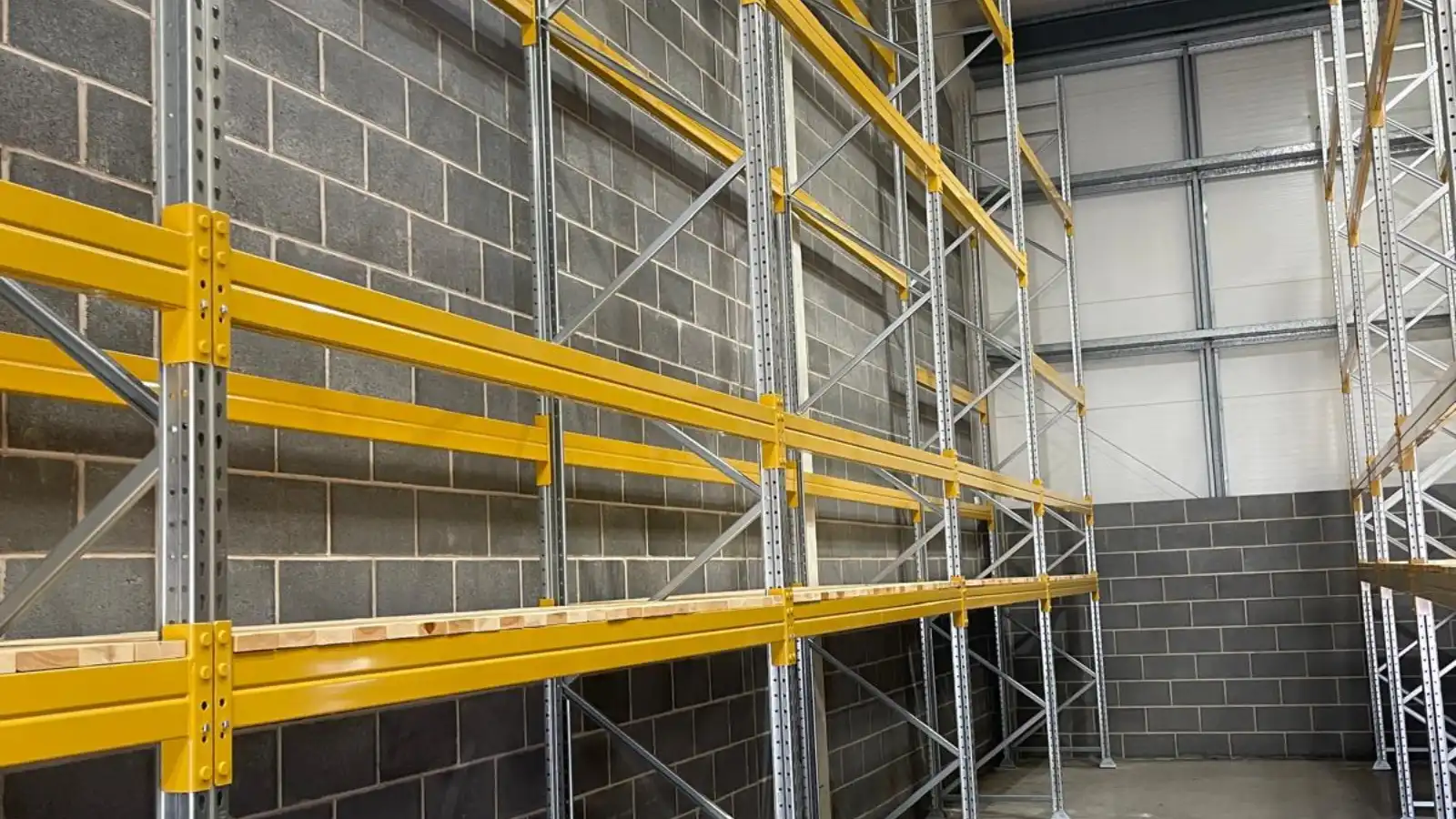
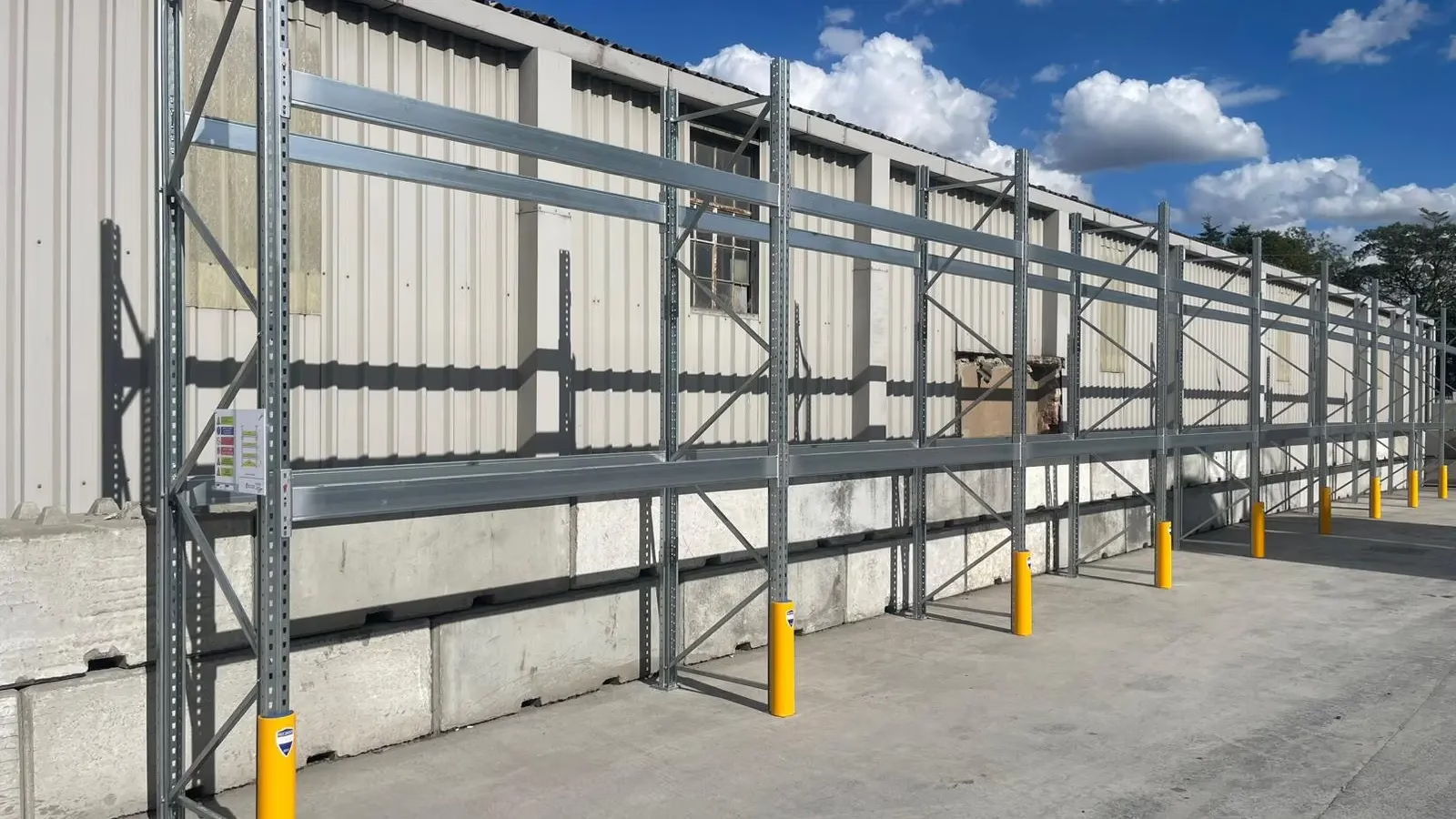


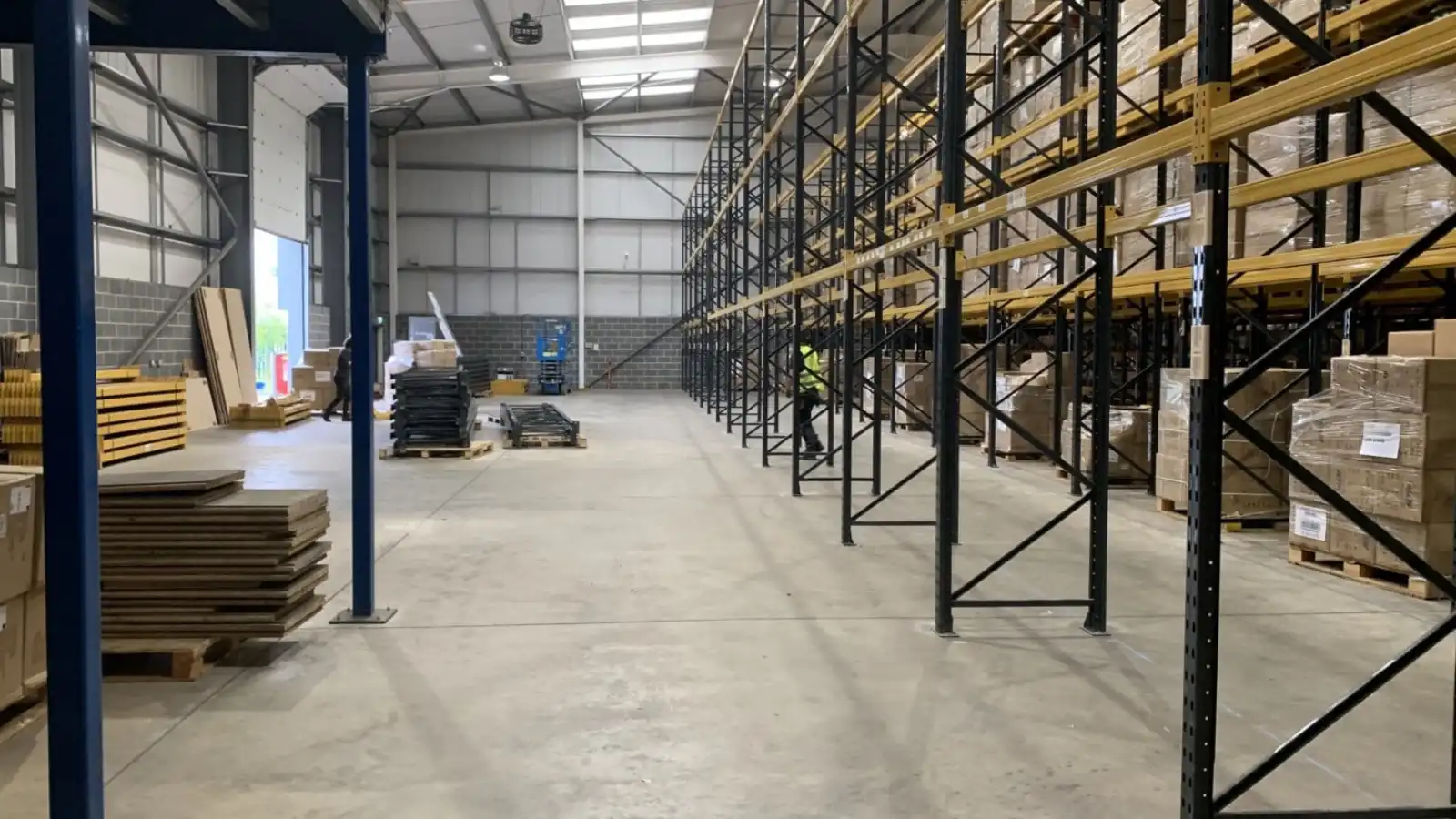

Premier Storage Projects
Our Racking Repair Process Produces Result
Stage 1 – Reviewing Inspection Report
Our process begins with a detailed review of your latest racking inspection report. We assess the identified damage and determine the appropriate repairs needed to restore the system’s safety and functionality.
Stage 2 – Repairs List is Provided and Quoted
Next, we provide you with a comprehensive list of the necessary repairs, along with a detailed quote. This ensures full transparency and allows you to plan accordingly for the repair work needed.
Stage 3 – Pallet Racking Repairs Installed
Once the quote is approved, our skilled technicians promptly carry out the required repairs. We use high-quality materials to restore your racking to its original design specifications, ensuring long-lasting durabilit.
Stage 4 – Racking Is Ready to be Used Safely
After completing the repairs, we conduct a final inspection to ensure everything is up to standard. Your racking is now fully restored and ready for safe use, providing peace of mind for your operations.
FAQ Racking Maintenance
How do I know when my racking needs repairs?
Racking damage risk levels help determine when pallet racking needs repairs and how urgently action is required. According to industry guidance, racking damage falls into three categories: RED, AMBER, and GREEN. Each level clearly shows the severity of the damage and the correct response.
By understanding these racking damage risk levels, businesses can act quickly, reduce risk, and maintain safe storage systems.
Understanding racking damage classification
The SEMA racking risk levels form part of the recognised industry code of practice and guide maintenance decisions during inspections. Inspectors use this classification to decide when repairs are necessary and how quickly teams should respond.
RED risk damage
Red risk damage indicates a critical safety issue and requires immediate action.
Teams must:
- Offload the affected racking immediately
- Isolate the area from use
- Replace damaged components before reuse
AMBER risk damage
Amber risk damage highlights a hazardous condition that needs prompt attention.
In this case:
- Damage does not require immediate offloading
- However, once offloaded, teams must not reload the racking until repairs are complete
- Repairs should take place within a defined timescale
GREEN risk damage
Green risk damage remains minor and safe at the time of inspection.
Therefore:
- No immediate repair is required
- Teams can continue using the racking as normal
- Inspectors should monitor the area during future inspections
Together, this red amber green racking damage system helps teams prioritise repairs and prevent minor issues from escalating.
How inspections identify racking damage severity levels
Regular inspections play a key role in identifying racking damage severity levels. Trained inspectors actively assess impact damage, deformation, and wear. They then categorise issues using recognised racking inspection risk categories.
As a result, routine checks and formal inspections help to:
- Identify damage early
- Prioritise repairs correctly
- Prevent unsafe racking from remaining in use
Guidance from the Storage Equipment Manufacturers’ Association supports this approach, alongside health and safety advice from the Health and Safety Executive.
When to take action
If an inspection identifies RED or AMBER damage, teams should arrange repairs without delay. Even GREEN level damage needs regular monitoring, as repeated impacts can quickly increase risk.
If you are unsure how to interpret a pallet racking damage assessment, professional advice can help ensure you take the correct action.
Learn more about our racking inspection and repair services or contact our team to arrange an assessment.
What does a typical racking repair process involve?
The racking repair process follows a structured approach to ensure damaged storage systems are restored safely, efficiently, and in line with industry standards. Each stage focuses on reducing risk, minimising disruption, and returning racking to safe working condition as quickly as possible.
Step-by-step racking repair process
A typical pallet racking repair process begins with a clear understanding of the damage and ends with confirmation that the system is safe to use.
Step 1: Review of inspection findings
The process starts with a detailed review of the most recent racking inspection report. This allows the repair team to assess the severity of the damage and identify which components require attention.
Step 2: Repairs list and quotation
Next, the team prepares a clear list of required repairs. This includes the damaged components, recommended repair methods, and a transparent quotation. At this stage, businesses can review the scope of work and approve the repairs.
Step 3: Racking repairs carried out
Once approved, trained technicians carry out the warehouse racking repair process on site. They replace or repair damaged components, such as uprights or beams, using approved methods and materials that meet manufacturer specifications.
Step 4: Final checks and handover
Finally, the team completes a thorough visual check to confirm the racking repair procedure has restored the system to safe working condition. The racking is then ready for use.
Why a structured process matters
Following defined racking repair steps ensures repairs remain safe, compliant, and effective. A structured pallet racking repair process also helps prevent repeat damage and reduces the likelihood of future disruption.
This approach supports:
- Safer warehouse environments
- Clear decision-making after inspections
- Consistent repair standards
- Confidence that racking meets industry guidance
Best practice for pallet racking repair stages aligns with guidance from the Storage Equipment Manufacturers’ Association and health and safety advice from the Health and Safety Executive.
If you have identified damage during an inspection and want to understand the next steps, our team can guide you through the racking repair workflow.
Learn more about our racking inspection and repair services or contact us to arrange a site assessment.
How often should racking systems be maintained?
Racking systems maintenance is essential for keeping warehouse racking safe, compliant, and fully operational. A planned maintenance approach helps prevent damage from escalating, reduces the risk of collapse, and supports long-term operational efficiency.
Day-to-day pallet racking upkeep should include daily or weekly visual checks carried out by trained warehouse staff. These checks help identify issues such as impact damage, bent uprights, missing components, or overloaded bays before they become safety risks.
In addition to routine checks, professional racking maintenance services should include scheduled inspections and corrective work where required. This may involve realignment, component replacement, or targeted repairs to damaged areas.
To meet UK safety expectations, businesses should also arrange a formal annual inspection by a competent person. This inspection supports compliance with PUWER regulations and guidance issued by the Health and Safety Executive, helping ensure racking systems remain structurally sound and fit for continued use.
What does pallet racking maintenance include?
Effective pallet racking maintenance goes beyond visual checks. A structured programme typically includes safety inspections, condition reporting, planned repairs, and ongoing support to ensure warehouse racking continues to meet operational and legal requirements. Regular maintenance also helps businesses avoid unplanned downtime, protect staff, and extend the service life of their racking systems
HSE guidance on warehouse racking safety
For racking inspections and maintenance contact us here.
What are the common tasks involved in racking maintenance?
Racking maintenance tasks play a vital role in keeping warehouse storage systems safe, stable, and fully operational. By carrying out routine racking maintenance tasks, businesses can reduce the risk of damage, prevent accidents, and extend the lifespan of their racking systems.
Below are the most common racking maintenance activities carried out in busy warehouse environments.
Visual inspections and routine checks
Regular visual inspections form the foundation of warehouse racking maintenance tasks. Teams should look for signs of damage such as bent beams, cracked uprights, corrosion, or misalignment. These checks help identify issues early, before they develop into serious safety risks.
Tightening bolts and connections
Over time, vibration from forklift movements and daily loading can loosen bolts and fixings. As part of routine racking maintenance checks, teams should tighten connections to maintain structural stability and reduce the risk of component failure.
Checking for signs of overloading
Overloading places excessive stress on racking systems and can lead to deformation or collapse. Common racking maintenance tasks include checking for sagging beams, bowed frames, or stress fractures. Teams should also ensure load notices remain visible and that racks stay within their specified weight limits.
Repairing or replacing damaged components
When damage occurs, racking maintenance activities must address it promptly. Teams should repair or replace damaged beams, uprights, or bracing using approved methods. Acting quickly prevents further deterioration and helps maintain the integrity of the storage system.
Cleaning and debris removal
Keeping racking systems clean supports both safety and longevity. Dirt, debris, and moisture can accelerate corrosion, especially in steel racking. Regular cleaning also reduces slip and trip hazards and supports safer warehouse operations.
Why regular racking maintenance matters
By carrying out common racking maintenance tasks consistently, businesses improve safety, reduce downtime, and avoid costly repairs. Regular maintenance also supports compliance with guidance from the Health and Safety Executive and best practice promoted by the Storage Equipment Manufacturers’ Association.
If you are unsure which racking maintenance tasks your site requires, professional advice can help ensure issues are addressed correctly.
Learn more about our racking inspection and repair services or contact our team to discuss ongoing maintenance support.
Why is racking maintenance important?
The importance of racking maintenance lies in protecting warehouse safety, maintaining operational efficiency, and extending the lifespan of your storage systems. Regular racking maintenance helps identify issues early, reduce risk, and prevent costly failures that could disrupt day-to-day operations.
By understanding why racking maintenance is important, businesses can take a proactive approach to managing warehouse safety and performance.
Why racking maintenance improves warehouse safety
One of the key racking maintenance benefits is improved safety. Over time, racking systems can suffer from wear and tear caused by forklift impact, overloading, or general use. If left unaddressed, this damage can weaken the structure and increase the risk of collapse.
Routine inspections and maintenance allow teams to spot problems early and take corrective action before they pose a danger to staff or stored goods.
How racking maintenance extends system lifespan
Warehouse racking maintenance importance also links closely to longevity. Regular checks and timely repairs prevent minor issues from escalating into major damage that requires full replacement. As a result, businesses maximise the value of their racking investment and avoid unnecessary capital expenditure.
Maintaining efficiency and productivity
Well-maintained racking supports efficient warehouse operations. When racking remains in good condition, teams can access stock easily, reduce handling delays, and avoid disruption caused by damaged or restricted storage locations.
This efficiency helps improve picking accuracy and keeps workflows running smoothly.
Supporting compliance with safety regulations
Another benefit of racking maintenance is compliance. Following a regular maintenance schedule helps ensure racking systems meet recognised safety standards and legal requirements. Guidance from the Health and Safety Executive and best practice promoted by the Storage Equipment Manufacturers’ Association both emphasise the importance of maintaining storage equipment in safe working condition.
Reducing downtime and unexpected costs
Finally, proactive racking maintenance reduces the risk of sudden failures that can halt operations. By identifying and resolving issues early, businesses avoid unplanned downtime, emergency repairs, and costly disruptions.
Overall, the importance of warehouse racking maintenance cannot be overstated. It plays a vital role in safety, efficiency, compliance, and long-term cost control.
Learn more about our racking inspection and repair services or speak to our team about ongoing maintenance support.
Get in Touch
Learn more about our pallet racking maintenance services and get a competitive quote from our team today.
Clients We Work With


