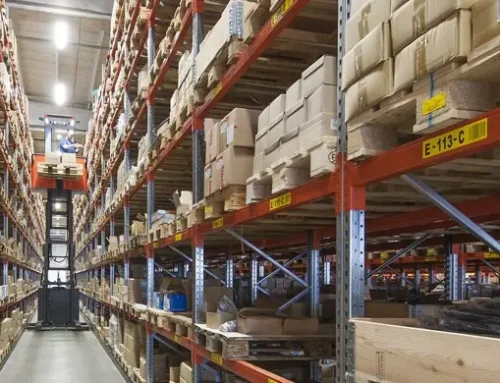
Types of Pallet Racking Systems
Are you looking to improve warehouse efficiency and productivity? Understanding the types of pallet racking systems available is essential when planning or upgrading a warehouse. The right system can significantly improve space utilisation, stock control and operational flow.
In this guide, we explore the main types of pallet racking systems used in modern warehouses and highlight the key factors to consider when selecting the most suitable solution. This overview of types of pallet racking systems will help you compare options and choose a layout that supports your operation both now and in the future.
Pallet Racking Options for Warehouse Storage
Adjustable Pallet Racking: Adjustable pallet racking is the most widely used warehouse racking solution. It suits operations that store a wide range of products in smaller quantities. Because the system provides direct access to every pallet, it supports flexible stock rotation and straightforward inventory management.
Drive-In and Drive-Through Racking: Designed for high-density storage, these systems allow forklifts to enter the racking structure. Drive-in racking operates on a LIFO basis, while drive-through racking supports FIFO stock flow. As a result, both options maximise available space where pallet variety remains limited.
Push-Back Racking: Push-back racking works on a LIFO system and stores pallets several positions deep. Using a series of carts or rollers, this solution improves space utilisation while still allowing faster access than drive-in racking
Pallet Flow Racking: Pallet flow racking suits FIFO operations where stock rotation is critical. Gravity rollers move pallets from the loading side to the picking face, which improves throughput and reduces handling time in high-volume warehouse environments.
Mobile Racking Systems: Mobile racking offers a dynamic storage solution for warehouses with limited floor space. Mounted on motorised bases, the system reduces aisle space when compacted. However, it still provides full access to every pallet when required.
Key Factors When Selecting Warehouse Racking
When comparing pallet racking solutions, several factors should guide your decision:
- Warehouse space – assess both floor area and available height
- Inventory management method – FIFO or LIFO requirements
- Product size and weight – pallet dimensions and load capacity
- Accessibility and throughput – picking frequency and replenishment speed
- Flexibility and scalability – future layout changes or expansion
- Budget considerations – long-term efficiency versus initial cost
- Safety and compliance – correct installation and regular inspections, following guidance from the [Health and Safety Executive (HSE)]
- System integration – compatibility with Warehouse Management Systems (WMS)
Conclusion
By understanding the different pallet racking options and carefully assessing your warehouse space, stock profile and operational needs, you can choose a system that improves efficiency and supports long-term growth. The right racking layout also plays a vital role in creating a safe, organised and cost-effective warehouse environment.
If you would like expert advice, contact our team today to arrange a free site visit and receive guidance on the most suitable pallet racking solution for your warehouse.
When planning or modifying pallet racking, it’s important to follow guidance from the UK’s Health and Safety Executive (HSE) on warehouse racking safety to ensure compliance and reduce risk.