
Racking Inspection Services
SEMA Approved Racking Inspectors
At Premier Storage Projects, we take safety seriously. Our racking inspections are carried out by SEMA-approved inspectors who bring years of hands-on experience. Every inspection includes a clear, detailed report, so you understand your system’s condition and what to do next. With our expert advice, you can plan maintenance or upgrades with confidence.
What is a racking inspection?
Under the Provision and Use of Work Equipment Regulations 1998 (PUWER), pallet racking is officially classified as work equipment. Therefore, it must be inspected regularly to ensure safety and legal compliance. A formal racking inspection is an essential part of your HSE risk assessment and must be carried out at least once every 12 months.
During the inspection, our qualified SEMA Approved Rack Inspectors (SARI) thoroughly assess each racking component. We use a clear traffic light system—red (high risk), amber (medium risk), and green (low risk)—to identify any issues and recommend the next course of action.
Why should you get a racking inspection?
Regular racking inspections aren’t just recommended—they’re required by law. As defined under PUWER, employers must ensure that all work equipment, including pallet racking, is safe to use. Annual inspections are a vital part of fulfilling this duty.
Ignoring these legal obligations can result in severe consequences. These include costly fines, legal prosecution, and in worst-case scenarios, workplace accidents that cause serious injuries or fatalities. Beyond the legal risks, non-compliance can also damage your reputation and reduce business opportunities.
To avoid these issues and ensure operational safety, schedule your racking inspection with our expert team today.

How is Pallet Racking Damage Categorised
Racking damage is classified into three risk levels according to the SEMA code of practice: RED, AMBER, or GREEN.
These risk categories will be clearly identified in your inspection report. Haven’t had an inspection recently? Book your next racking inspection here.
Select a category below to learn what actions you need to take next.
Premier Storage Projects
Our Inspection Process
Stage 1 – Preparation
We begin by ensuring the inspection environment is ready. This includes checking for sufficient lighting, making safety equipment accessible, and reviewing all necessary documentation. Our trained personnel are assigned to each site, and we provide full RAMS and certification paperwork in advance.
Stage 2 – Visual Inspection
Next, our inspectors carry out a detailed visual check of the racking system. They look for damage, corrosion, and misalignment, paying close attention to welds, bolts, and joints. We also assess floor conditions as part of the structural review.
Stage 3 – Damage Recording
During the inspection, any issues are digitally recorded using specialised reporting software. This allows us to capture every detail clearly and ensures you receive accurate documentation to support informed decisions.
Stage 4 – Reporting
Finally, we compile a clean, easy-to-read report outlining all findings and recommended actions. Any significant risks are flagged immediately and shared directly with your appointed contact, so urgent issues can be resolved without delay.
We inspect all types of pallet racking and shelving…


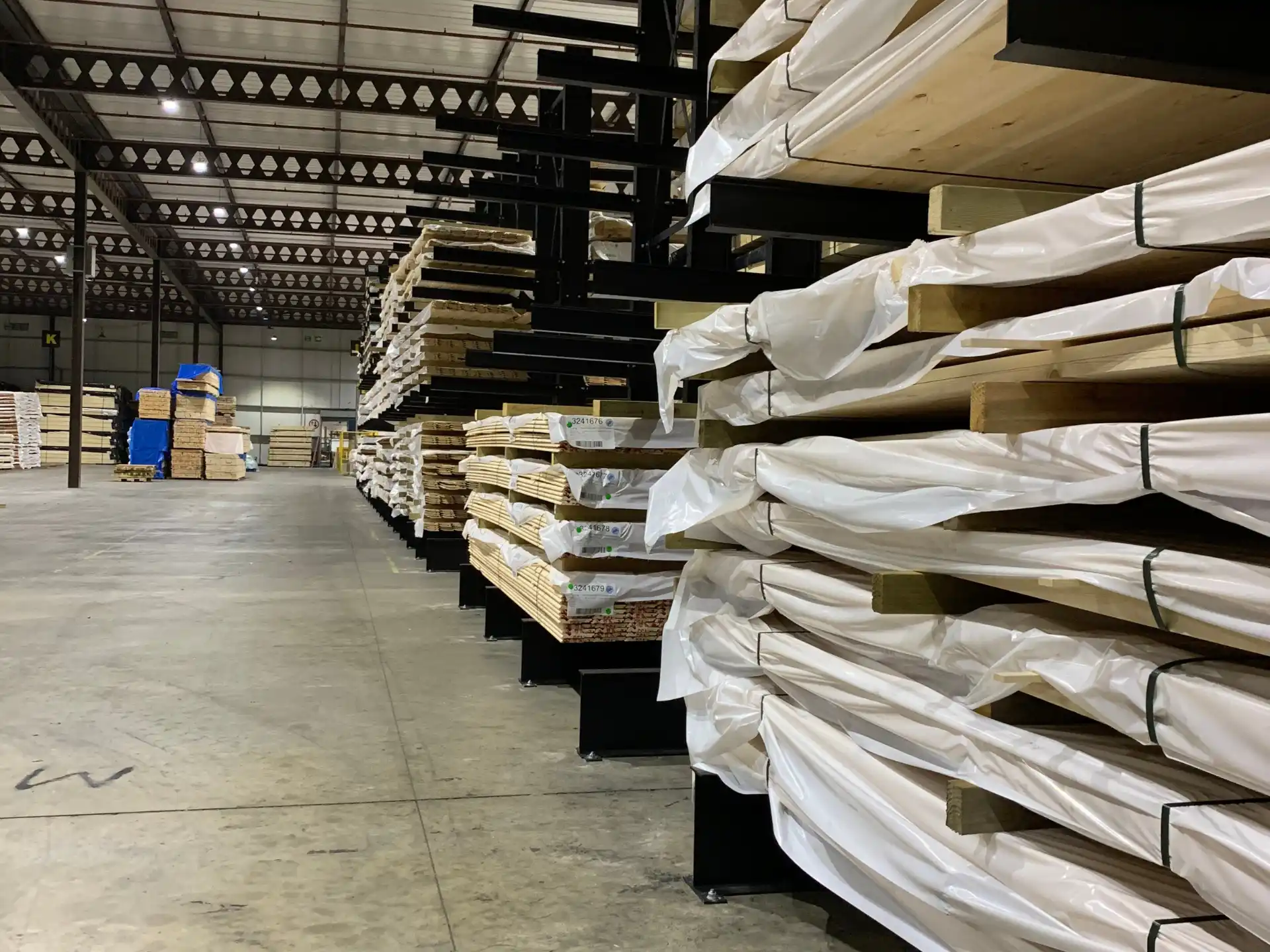

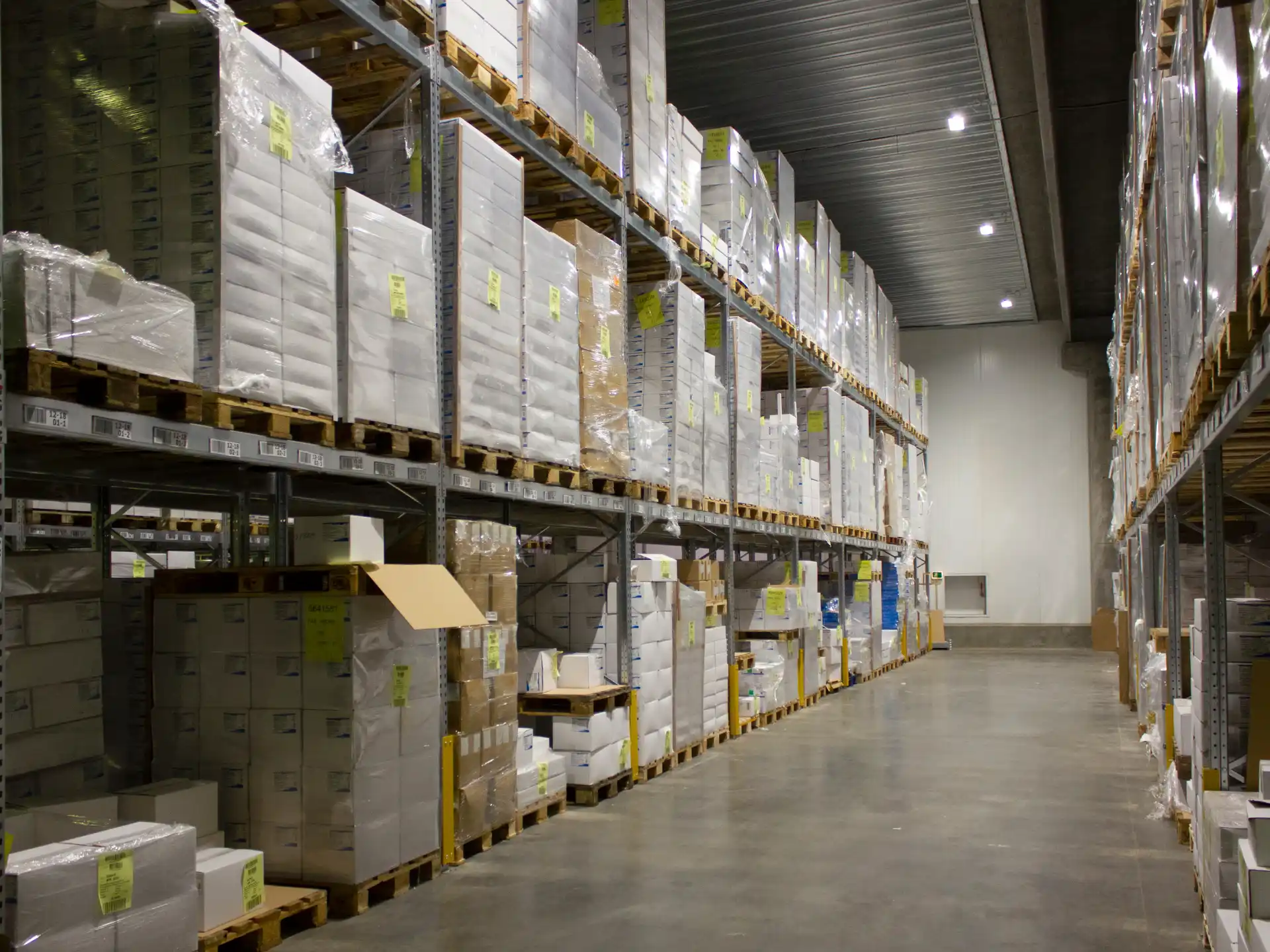
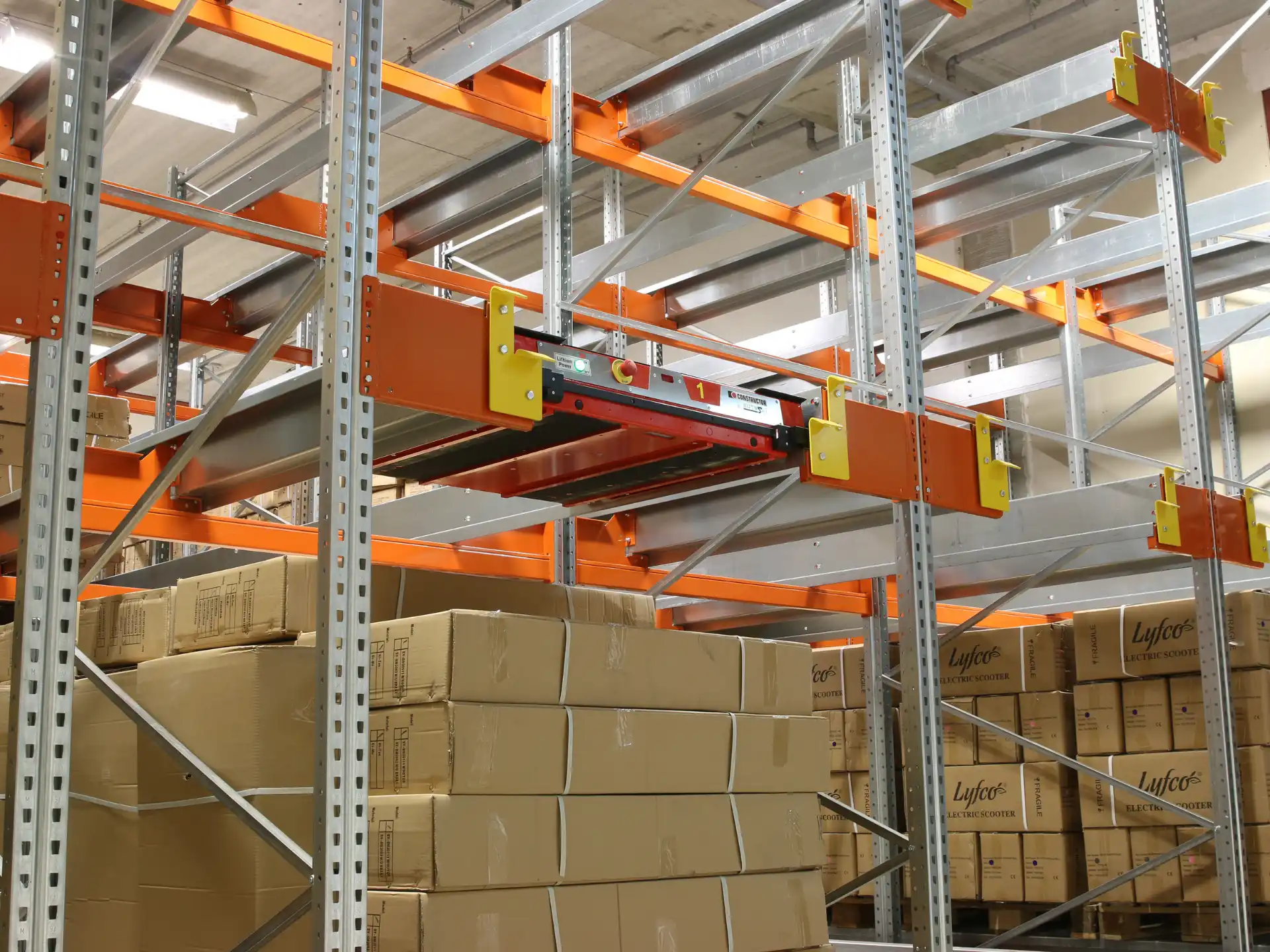

We inspect all brands of pallet racking and shelving…
Some manufacturers may only inspect their racking…But not us!


Frequently Asked Questions
Are racking inspections a legal requirement?
Racking inspections legal requirement applies to most warehouse and storage environments in the UK. Employers must inspect racking systems to ensure they remain safe, stable, and suitable for everyday use. These inspections form a key part of workplace health and safety responsibilities.
By carrying out regular inspections, businesses protect staff, reduce risk, and demonstrate compliance with legal duties.
Racking inspections and health and safety law
UK law clearly places responsibility on employers to maintain safe work equipment. Legislation such as the Health and Safety at Work Act 1974 and the Provision and Use of Work Equipment Regulations 1998 (PUWER) requires employers to keep all work equipment, including pallet racking, in a safe condition.
As a result, the legal requirement for racking inspections includes:
- Maintaining racking in good mechanical condition
- Identifying damage caused by impact or overloading
- Taking action when racking no longer meets safety standards
This means warehouse racking inspection legal requirements apply regardless of business size or industry.
How racking inspections reduce workplace risk
Racking inspections play a vital role in accident prevention. Inspectors identify hazards such as bent frames, misaligned uprights, damaged beams, or overloaded levels before they cause failure.
Early identification helps:
- Prevent injuries to employees
- Avoid damage to stock and equipment
- Reduce unplanned downtime
For this reason, pallet racking inspections legal requirement goes beyond paperwork and directly supports safer daily operations.
Verifying safe day-to-day use
Regular inspections confirm that racking systems remain stable and secure under normal working conditions. Inspectors check that components remain intact and that load limits stay within safe tolerances.
This process supports ongoing compliance with racking inspections health and safety law and helps businesses maintain confidence in their storage systems.
Racking inspection records and legal compliance
Inspection reports and certificates provide documented evidence that a business meets its legal obligations. These records are essential during audits, insurance reviews, or incident investigations.
Holding clear inspection records shows that your organisation actively manages risk and follows recognised guidance from the Health and Safety Executive and best practice promoted by the Storage Equipment Manufacturers’ Association.
If you are unsure whether your site meets current racking inspection law UK requirements, professional advice can help ensure compliance.
Learn more about our racking inspection services or contact our team to arrange an inspection.
How frequently should racking inspections take place?
How often should racking be inspected? In practice, racking inspection frequency depends on how a warehouse operates, the level of traffic within the aisles, and the risks the racking system is exposed to.
Annual racking inspection frequency requirements
As a minimum, businesses should arrange a formal racking inspection at least once every 12 months. A competent, qualified racking inspector should carry out this inspection to assess structural condition, loading compliance, and overall system safety.
Annual inspections:
-
Provide documented evidence of due diligence
-
Identify structural damage and loading risks
-
Support compliance with health and safety obligations
As a result, this annual review forms the baseline for warehouse racking inspection frequency in most environments.
When racking inspections should happen more often
However, in many warehouses, annual inspections alone are not enough. In higher-risk environments, racking inspection intervals should shorten. For example:
-
High forklift traffic or narrow aisles
-
Older racking systems
-
Frequent pallet handling
-
Exposure to moisture, chemicals, or impact damage
In these cases, professional inspections may be required every six months to maintain safe operating conditions.
Routine internal inspection schedules
Alongside formal inspections, businesses should also implement a clear racking inspection schedule for in-house checks. Trained staff can carry out weekly or monthly visual inspections to identify early signs of damage.
These checks help spot:
-
Bent uprights or beams
-
Loose or missing fixings
-
Misaligned racking
-
Overloaded or unsafe bays
By acting early, businesses reduce the risk of accidents and costly repairs.
Setting the right inspection frequency
Ultimately, how often racking should be inspected depends on usage, environment, and overall risk. By combining regular internal checks with scheduled professional inspections, businesses can keep racking systems safe, compliant, and fit for purpose.
In addition, following recognised guidance, such as that published by the Health and Safety Executive, helps ensure inspection frequency aligns with best practice and legal expectations.
If you are unsure about the correct racking inspection frequency for your site, professional advice can help you establish a suitable and compliant inspection programme. Please contact our team here for more advice.
What do HSE guidelines say about racking inspection frequency?
HSE racking inspection guidelines set clear expectations for how often warehouse racking should be checked to maintain safety and legal compliance. The Health and Safety Executive recommends a structured inspection approach. This approach combines regular in-house checks with formal inspections carried out by a competent person.
Annual inspection by a competent person
Under recognised HSE guidance, racking systems should undergo a formal inspection at least once every 12 months. A competent person must assess structural integrity, load-bearing limits, and overall condition. The inspection identifies damage, wear, or overloading that could compromise safety.
Weekly in-house visual checks
In addition, warehouse staff should complete weekly visual checks. These routine inspections help spot early signs of damage, such as bent beams, loose bolts, or impact damage. As a result, teams can take corrective action quickly.
More frequent inspections for high-risk environments
Where racking operates in high-risk conditions, inspection frequency should increase. Heavy traffic, frequent forklift use, corrosive environments, or high load weights may justify monthly inspections. This helps maintain compliance with PUWER requirements and recognised safety guidance.
By following recognised inspection guidance, businesses reduce the risk of racking failure. They also improve workplace safety and demonstrate legal compliance.
Why HSE racking inspection guidelines matter
Clear inspection guidance helps employers meet their duty of care under UK health and safety law. Regular checks reduce the likelihood of collapse. They also protect employees and prevent damage to stock and equipment.
A documented inspection programme supports risk assessments and demonstrates due diligence during audits or enforcement visits. In addition, it provides clear evidence that racking safety is actively managed.
Following recognised guidance allows businesses to plan maintenance effectively. It also helps prioritise repairs and maintain safe warehouse operations over the long term.
Learn more about our professional racking inspection services and how we can help you stay compliant here.
Which training is required to carry out racking inspections?
Racking inspection training requirements apply to anyone responsible for checking the condition, safety, and compliance of warehouse racking systems. Employers must ensure inspectors receive proper training so they can identify damage, assess risk, and take appropriate action with confidence.
Training required for racking inspections
The training required for racking inspections focuses on practical competence rather than theory alone. Inspectors must be able to:
- Identify structural damage such as bent uprights, damaged beams, or missing components
- Assess racking damage using recognised risk categories
- Understand load limits and safe operating conditions
- Decide when to isolate racking and escalate issues for repair
As a result, this level of racking inspection competency training helps ensure inspections remain accurate, consistent, and legally defensible.
PRRS inspection training
In the UK, PRRS inspection training is widely recognised as the appropriate qualification for in-house racking inspectors. The Person Responsible for Racking Safety (PRRS) course is designed for employees who manage or inspect racking systems as part of their role.
Through this warehouse racking inspection training, inspectors develop the knowledge and confidence to:
- Carry out regular internal inspections
- Record and categorise damage correctly
- Maintain safe racking between annual professional inspections
Racking inspection training UK guidance
Additionally, racking inspection training UK best practice follows guidance published by the Health and Safety Executive, including HSG76 (Warehousing and Storage). This guidance highlights the importance of trained personnel, clear inspection records, and prompt corrective action when issues arise.
Ongoing training and refresher courses
To maintain high standards over time, businesses should also provide refresher training at regular intervals. This ensures inspectors stay up to date with:
- Current inspection techniques
- Changes to guidance or best practice
- Common causes of racking damage
Why proper training matters
Ultimately, meeting racking inspection training requirements helps businesses:
- Reduce the risk of accidents and collapses
- Minimise downtime caused by unsafe racking
- Demonstrate compliance during audits or investigations
Well-trained inspectors therefore play a vital role in maintaining safe, efficient warehouse operations.
For more information on our PRRS training, please click here.
How often should warehouse racking be inspected?
Warehouse racking inspections play a key role in keeping racking systems safe, compliant, and suitable for daily warehouse operations. A structured inspection programme helps identify damage early, reduces risk, and supports long-term structural integrity.
Weekly visual checks
To begin with, warehouse staff should carry out basic visual checks at least once a week. These routine checks help spot visible issues such as bent uprights, loose fixings, missing components, or overloaded bays before they develop into more serious safety concerns.
Annual formal inspections
In addition, a competent and qualified inspector should complete a thorough formal inspection at least once every 12 months. This process confirms that the racking system remains structurally sound and meets legal obligations under PUWER regulations and recognised HSE racking inspection guidelines.
More frequent checks for higher-risk environments
However, some environments require closer monitoring. Where racking supports heavy loads, experiences frequent forklift impact, or operates in corrosive conditions, inspections should take place more often. In these cases, monthly inspections may be more appropriate to maintain safety and compliance.
By combining regular in-house checks with scheduled third-party inspections, businesses can reduce accidents, minimise disruption, and extend the working life of their racking systems.
Why regular warehouse racking inspections matter
Regular warehouse racking inspections help businesses meet their legal responsibilities while protecting staff, stock, and equipment. Damage caused by forklift impact, overloading, or general wear can compromise the strength of racking systems if left unchecked. Over time, even minor defects can increase the risk of collapse or injury.
A proactive inspection programme also demonstrates due diligence and supports wider health and safety management. By identifying issues early, businesses can plan repairs, avoid unplanned downtime, and maintain safe working conditions across the warehouse.
For more information on our racking inspection services click here.
For more information on warehousing and storage health and safety click here.
Do I need a racking inspection certificate, and how long is it valid?
A racking inspection certificate is required in most warehouse environments to confirm that your racking system remains safe, compliant, and suitable for continued use. This document provides formal evidence that a competent professional has inspected the racking and confirmed its structural condition.
By holding valid inspection documentation, businesses can demonstrate compliance with safety legislation and manage risk more effectively.
Why inspection certification is needed
In the UK, pallet racking falls under the Provision and Use of Work Equipment Regulations 1998 (PUWER). Employers must therefore ensure that racking remains safe, properly maintained, and inspected at appropriate intervals.
A warehouse racking inspection certificate confirms that:
- The racking structure remains mechanically sound
- The system supports its intended load-bearing capacity
- Inspectors have identified and categorised damage correctly
- The installation follows recognised safety guidance
This form of inspection certification supports duty holders during audits, insurance reviews, and health and safety assessments.
Inspection certificate validity period
The standard certificate validity period for racking inspections is 12 months. After this time, a qualified inspector must re-inspect the racking to renew certification and confirm continued compliance.
In high-traffic or higher-risk warehouse environments, businesses may choose to schedule inspections more frequently to maintain control over risk.
Why regular checks still matter
Although inspectors renew certification annually, businesses should carry out routine visual inspections far more often. Weekly or monthly checks help teams spot impact damage, misalignment, or overloading before issues escalate.
By combining:
- Annual professional racking inspections
- Regular in-house visual checks
organisations significantly reduce the risk of accidents, downtime, and costly repairs.
Staying compliant and protected
When businesses hold valid inspection records, they show a clear commitment to warehouse safety. Guidance from the Health and Safety Executive and best practice from the Storage Equipment Manufacturers’ Association both reinforce the importance of regular inspection and documented compliance.
If you are unsure whether your certification remains valid or need to arrange an inspection, professional advice can help keep your site safe and compliant.
Learn more about our racking inspection services or contact our team to arrange your next inspection.
Get in Touch
Learn more about our Racking Inspections and get a competitive quote from our team today.
Clients We Work With


